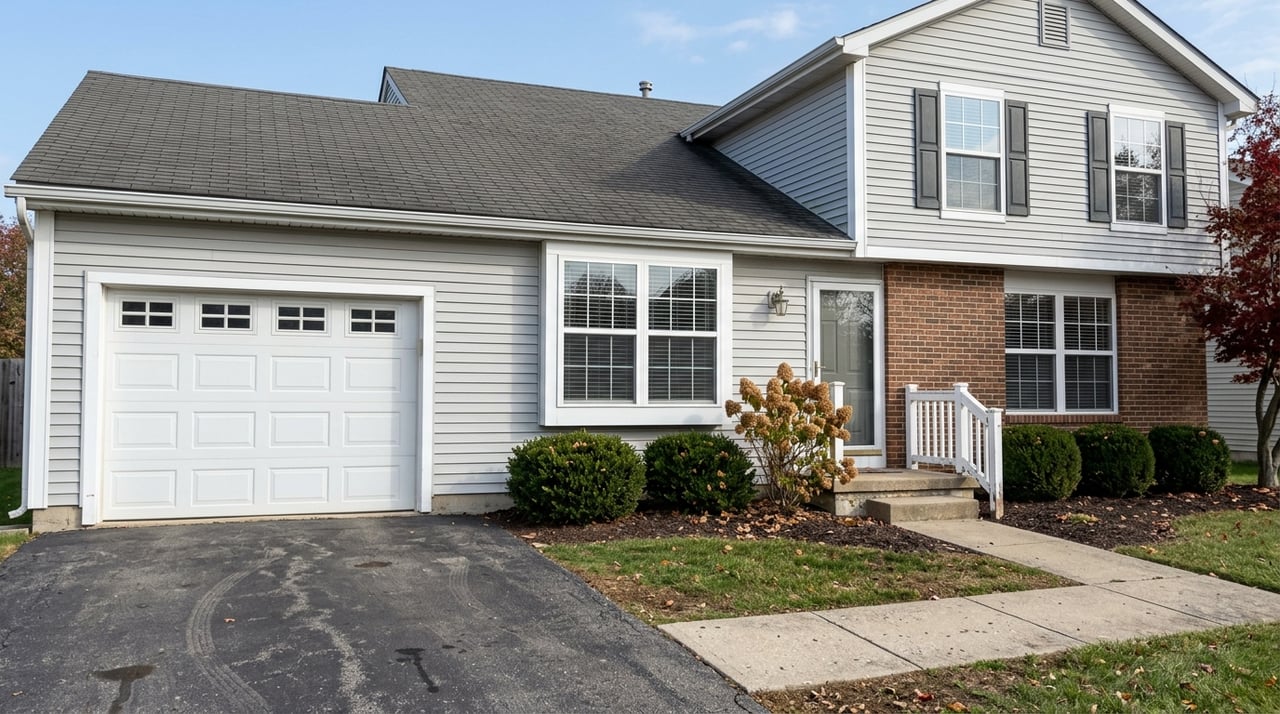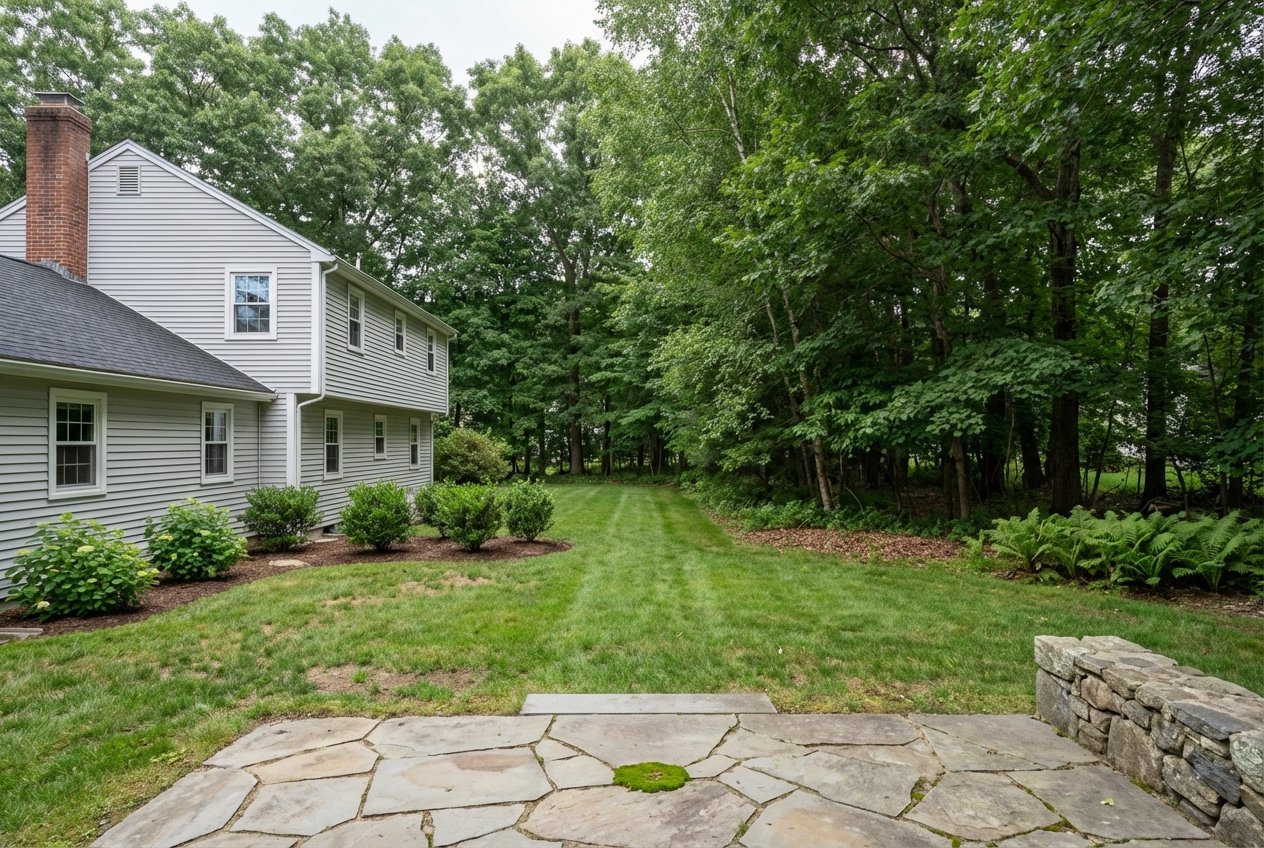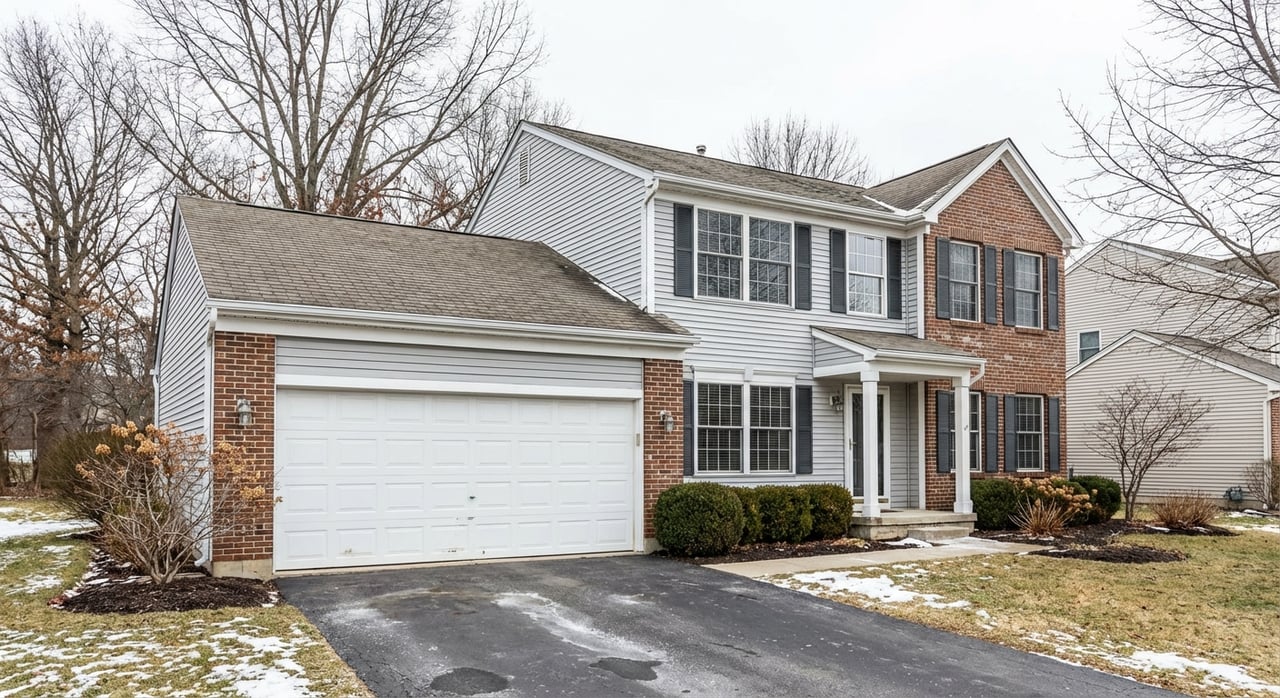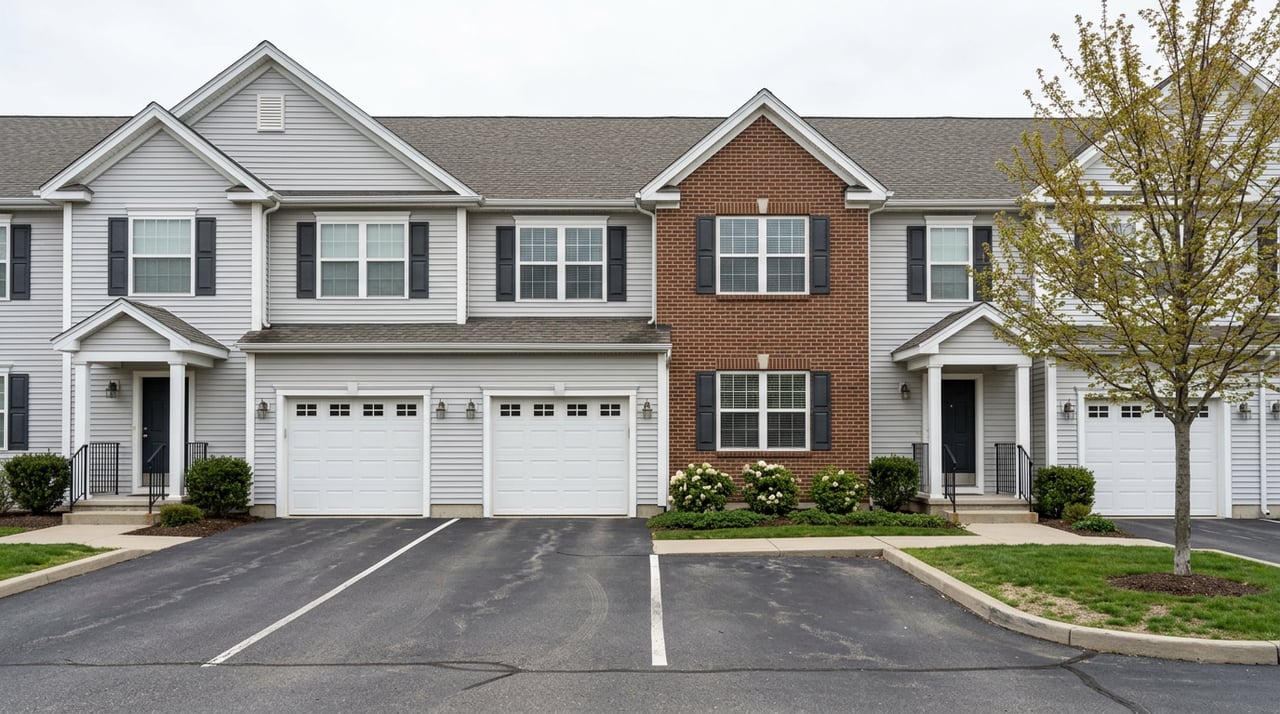
Trying to decide between a condo or a townhome in Middlesex County? You are not alone. With countywide median sale prices hovering around the low to mid six figures and steady buyer demand, many first-time buyers and downsizers are weighing lower-maintenance options that still fit their lifestyle and commute. In this guide, you will learn the key differences in ownership, financing, fees, and day-to-day living. You will also see where each option tends to cluster locally so you can focus your search with confidence. Let’s dive in.
Condo vs. townhome basics
Ownership at a glance
- Condo: You own the interior of your unit plus a fractional interest in the building’s common elements. A condo association manages the property under a master deed and bylaws. Learn more about how New Jersey treats condominiums in this overview of the state’s Condominium Act and related rules from a legal commentary on NJ common-interest communities. Read the NJ legal background.
- Townhome: Often fee-simple ownership of the home and the land beneath it within a planned community. An HOA may maintain shared areas and amenities. Some “townhome” developments are legally condominiums, so always check the master deed.
Insurance and maintenance
- Condos typically carry a master insurance policy for the building’s structure and common areas. You insure the interior and personal property. The master deed sets where association coverage stops, so review those documents closely. See how responsibilities vary.
- Fee-simple townhomes may place more exterior upkeep on you, unless the HOA covers items like roofs, siding, or landscaping by contract. Always confirm what your monthly fee includes.
Monthly fees and what they cover
Condo and HOA fees vary widely by age of the community, included utilities, and amenity packages. Some condos include building insurance and exterior maintenance in one monthly line. Townhome HOAs may handle snow removal, landscaping, and amenities but not structural items. The only reliable way to compare is to review the governing documents and current budget for each community.
Financing differences that matter
Financing can look different for condos versus fee-simple townhomes.
- Condos often require a project-level review by FHA, VA, Fannie Mae, or Freddie Mac. Lenders look at owner-occupancy ratios, reserve funding, insurance, delinquencies, and special assessments. FHA has expanded options to help more buyers, including single-unit approvals and a 50 percent owner-occupancy threshold in many cases. See FHA’s condo policy update.
- Fee-simple townhomes usually do not require a condo project approval. Your lender will still review HOA documents and insurance but treats the loan like a typical single-unit mortgage.
What lenders and underwriters check
- Adequate master insurance and correct coverage limits
- Reserve funding levels and any pending special assessments
- Percentage of owner-occupants versus investors
- Association delinquencies and litigation
- Whether a condo project is eligible with FHA, VA, Fannie Mae, or Freddie Mac (or if a single-unit approval is possible) View Fannie Mae’s condo project criteria
Middlesex County: where each option shines
Middlesex County offers a wide mix of condos and townhomes. Recent snapshots place the median sale price around 520,000 and typical home values in the mid 500,000s, with variation by town and product type.
Transit-friendly condos
If you want low-maintenance living near rail, focus on condos around the county’s busiest NJ Transit stations. New Brunswick, Metropark, and Edison stations provide direct Northeast Corridor access into New York Penn Station and beyond. Station-area buildings often offer walkability and structured or permit-based parking. Explore station details and parking options here:
Garden-style condos and suburban townhomes
Woodbridge, Edison, Old Bridge, and parts of North Brunswick feature many garden-style condos and townhouse communities. These are popular with first-time buyers seeking a balance of space, private entries, and manageable fees. Amenities often include landscaping, snow removal, and recreation areas. Pricing and fees vary by age, location, and amenity set, so compare the full monthly cost rather than just the purchase price.
55-plus communities for downsizers
If you want a clubhouse lifestyle with social programming and exterior maintenance handled, Monroe Township has a strong cluster of age-targeted communities such as Clearbrook, Concordia, and Rossmoor. These neighborhoods typically offer amenities like pools and activities, with monthly dues that reflect the larger amenity packages. Review any age and resale restrictions to ensure they fit your plans. Learn more about Monroe Township.
Parking and commute tradeoffs
- Condos: Parking can be deeded, assigned, or permit-based. Urban or station-area buildings may have paid structured parking, waitlists for extra spaces, and tighter guest parking rules. Always verify whether spaces are deeded or designated and ask about guest policies. Station pages often outline parking programs and capacity. See New Brunswick’s station info.
- Townhomes: You often get a driveway and/or garage plus HOA visitor parking. This can be more convenient for multi-car households, though you may trade some walkability to rail.
The association package you must review
In New Jersey, sellers and management companies typically provide a resale certificate or a similar resale package that discloses key information about the community. This set of documents helps you spot risks before you close. Understand NJ resale certificates.
What to request
- Resale certificate or certificate of unpaid assessments
- Current operating budget and latest financial statements
- Reserve study and any planned capital projects
- Master deed, bylaws, rules and regulations
- Board meeting minutes for the past 12 months
- Disclosures about any litigation or insurance claims
Red flags to pause on
- Large or frequent special assessments
- Low reserves relative to upcoming capital needs
- Insurance gaps, high delinquencies, or ongoing litigation
- Restrictive rental caps if you may need future flexibility
Match your priorities to the right fit
Use your top goals to guide the search.
- Priority: Walkability to rail and minimal upkeep. Consider mid-rise or garden-style condos near New Brunswick or Metropark. Tradeoff: Less private outdoor space and a monthly condo fee.
- Priority: Private entrance, garage, and small yard. Look at townhomes in Edison, Woodbridge, or Old Bridge. Tradeoff: Possible exterior responsibilities and higher property taxes.
- Priority: Amenity-rich downsizing. Explore 55-plus options in Monroe with clubhouses, pools, and landscaping included. Tradeoff: Higher monthly dues and age/resale policies to follow.
Costs to compare before choosing
Create an apples-to-apples budget for each property you like.
- Monthly fees: Condo or HOA dues and what they cover
- Insurance: Interior HO-6 for condos, homeowners policy for fee-simple townhomes
- Utilities: What is included versus separate meters
- Taxes: Vary by municipality and property type
- Parking: Deeded, assigned, permit fees, or paid garage
- Capital planning: Reserve strength and any announced assessments
Your next steps
Get preapproved and note whether you will use FHA, VA, or conventional financing. If you plan to use FHA for a condo, confirm whether a single-unit approval or project approval is available. Review FHA’s condo approval path.
Zero in on your lifestyle map: transit-first, driveway and garage, or amenity-focused. Use station pages for commute clarity and ask your agent about parking realities and guest policies. Check Metropark details.
When you find a match, request the full resale package early. Read the budget, reserves, minutes, and project plans so there are no surprises at closing. What to expect in the resale certificate.
If you want a calm, data-informed path to a great condo or townhome in Middlesex County, you can count on the local guidance and hands-on support of Beth Harding. Schedule your free consultation and get a curated shortlist that fits your lifestyle, budget, and commute.
FAQs
What is the legal difference between condos and townhomes in New Jersey?
- In NJ, condo buyers own their unit interior plus a share of common elements under a master deed and bylaws, while many townhomes are fee-simple homes with an HOA for shared areas. Review NJ condo law context.
How do I know if a condo works with FHA or VA financing?
- Ask your lender to check project eligibility or explore FHA’s single-unit approval path if the building is not fully approved. Rules vary by program. See FHA’s update.
What should I look for in the resale certificate before buying?
- Review the budget, reserves, 12 months of minutes, insurance summary, and any pending special assessments or litigation to avoid surprises. Understand the NJ resale package.
Will low reserves or big assessments affect my mortgage or resale value?
- Yes. Lenders evaluate reserve strength and special assessments during condo project reviews, and these issues can affect underwriting and future marketability. Learn what lenders check.
What parking can I expect with a Middlesex County condo near rail?
- Station-area condos often use deeded or assigned spaces, permit systems, or paid garages, and guest parking can be limited. Always verify specifics with building documents. Check New Brunswick station info.