Thinking about buying in Middlesex County because you need a reliable ride to NYC, Newark, or Jersey City? With several NJ Transit lines, key park-and-ride hubs, and walkable downtown stations, the county gives you real choices. The challenge is matching your daily routine with the right line, station, parking plan, and budget. In this guide, you’ll learn how each line works, which stations fit different lifestyles, and how to test the door-to-door commute before you buy. Let’s dive in.
How NJ Transit serves Middlesex County
Middlesex County sits on the region’s busiest rail corridor and also connects to the Shore and Raritan Valley lines. You can review full schedules, station maps, and fares on the official NJ Transit schedules and station pages. Some riders also use Amtrak for faster trips along the Northeast Corridor. You can explore service levels and stops through Amtrak’s Northeast Corridor information.
Northeast Corridor at a glance
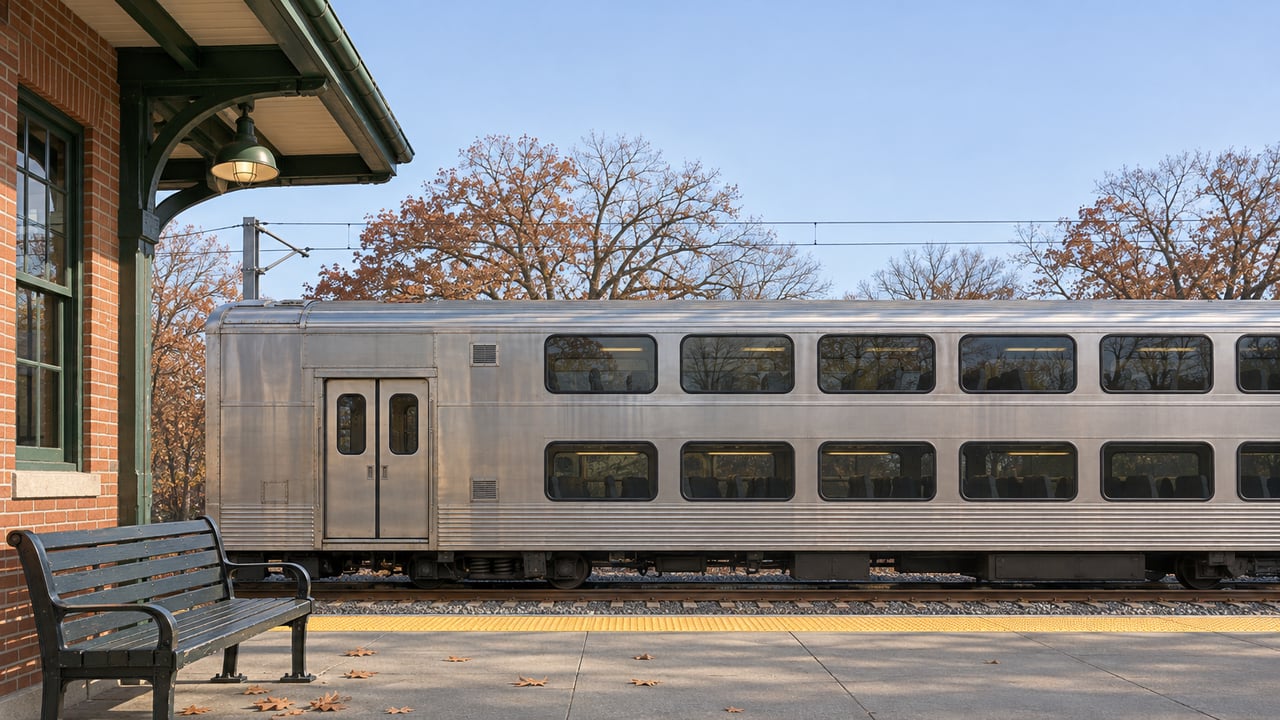
The Northeast Corridor (NEC) is the county’s primary rail spine. Key Middlesex stations include New Brunswick, Metuchen, Edison, and Metropark. Trains run frequently during peak hours to New York Penn Station and Newark Penn Station, with solid off-peak options. New Brunswick and Metropark also see select Amtrak service for faster intercity trips.
North Jersey Coast Line options
The North Jersey Coast Line (NJCL) serves Middlesex at Perth Amboy and South Amboy. Many peak trains run direct to New York Penn Station, while some off-peak patterns require a transfer or operate to Hoboken. Service varies by time of day, so it is important to check current schedules before you plan a routine.
Raritan Valley Line considerations
The Raritan Valley Line (RVL) overlaps the Middlesex commuter shed through the Jersey Avenue station, which functions as a park-and-ride for some residents. Service frequency and one-seat ride options to Manhattan can differ from the NEC. Review current patterns and timed connections on NJ Transit’s site if you are considering this option.
Which station fits your commute
Your best station depends on where you work, how you get to the platform, and how much flexibility you need. NEC stations offer the most frequent service to Midtown and Newark. NJCL stations are solid options if you favor the Bayshore corridor and are comfortable aligning your schedule with fewer direct trains.
Metropark and Edison
If you plan to drive and park, Metropark is one of the region’s largest park-and-ride hubs with long-term facilities and a kiss-and-ride. Some Amtrak trains also stop there, which is useful when you need speed or an alternative. Edison provides suburban station parking with access to major highways, a good fit if you want more house and do not mind a short morning drive.
New Brunswick and Metuchen
If you want to walk to the train, New Brunswick and Metuchen have downtown stations with nearby retail and local transit. These locations offer frequent NEC service that suits varied work schedules. Parking can be competitive and may involve permits or early arrival, so check policies before you commit to a routine.
Perth Amboy and South Amboy
If you like the Shore corridor and NJCL patterns, Perth Amboy and South Amboy offer commuter service toward Newark and Manhattan. Direct service varies by time and day. Review schedules to see if peak direct trains or transfer options fit your start time.
First and last mile made easier
Your door-to-door time includes how you reach the station and how you finish the trip at your job site. Middlesex municipalities have a mix of local shuttles, jitneys, and employer buses. In New Brunswick, Rutgers campus shuttles, bike lanes, and walkable streets help with first and last mile needs. For local options, start with the county’s transit resources and commuter information.
Costs: rail vs driving
NJ Transit uses a zone-based fare system with monthly passes and multi-ride tickets. Many commuters use the NJ Transit mobile app and station ticket machines for payment. Details change over time, so confirm the latest options on the NJ Transit fares and tickets information.
Amtrak has separate fares and policies. Some riders use Amtrak selectively for speed, especially at New Brunswick or Metropark. You can compare schedules and typical options on Amtrak’s site.
Driving costs include tolls on the Turnpike and other highways, fuel, insurance, wear-and-tear, and parking in the destination city. Manhattan and parts of Jersey City have limited and often costly parking. When you factor everything in, monthly rail passes can be competitive, especially if you need reliable arrival times.
Reliability, schedules, and hybrid work
Peak travel patterns have shifted since 2020, and many employers now support hybrid schedules. Regional agencies track these trends and adjust service. For a data backdrop on commuting in our area, you can review regional studies from the North Jersey Transportation Planning Authority and the U.S. Census American Community Survey commuting data.
Before you set a routine, always check current service advisories and schedules on NJ Transit’s official site. Seasonal weather, maintenance, and construction can affect trip times. Give yourself backup options like earlier departures or an alternate station with parking.
Planning and projects to watch
Large regional projects can shape future reliability and capacity. The Gateway Program aims to increase train capacity to Manhattan and improve resiliency. You can follow construction phasing and status at the official Gateway Program site.
New Jersey also advances station and highway improvements that can influence parking and access. Keep an eye on updates from the New Jersey Department of Transportation for regional planning and construction news. In coastal areas, resiliency and flood-protection efforts are ongoing and can affect some NJCL communities near waterways.
Buyer checklist: test your commute
Use this quick plan to confirm the real-world experience before you buy:
- Do a full trial run at your actual commute times. Include the drive or walk to the station, platform wait, onboard time, and last mile at your destination.
- Verify parking. Check the station’s permit rules, daily rates, and any waitlists with the municipality or facility operator.
- Confirm accessibility. Review elevator or ramp access, platform conditions, lighting, and wayfinding for your route.
- Validate schedules and patterns. See how many trains fit your timetable and whether off-peak return options work for you.
- Review costs for your plan. Compare monthly rail passes and multi-ride tickets with your estimated driving and parking costs.
- Map your first and last mile. Test walking, biking, local shuttles, or rideshare, and look for secure bike racks if you plan to cycle.
- Ask about market dynamics. Discuss property values and resale near stations with your agent, including noise and vibration considerations near rail lines.
Neighborhood tradeoffs to consider
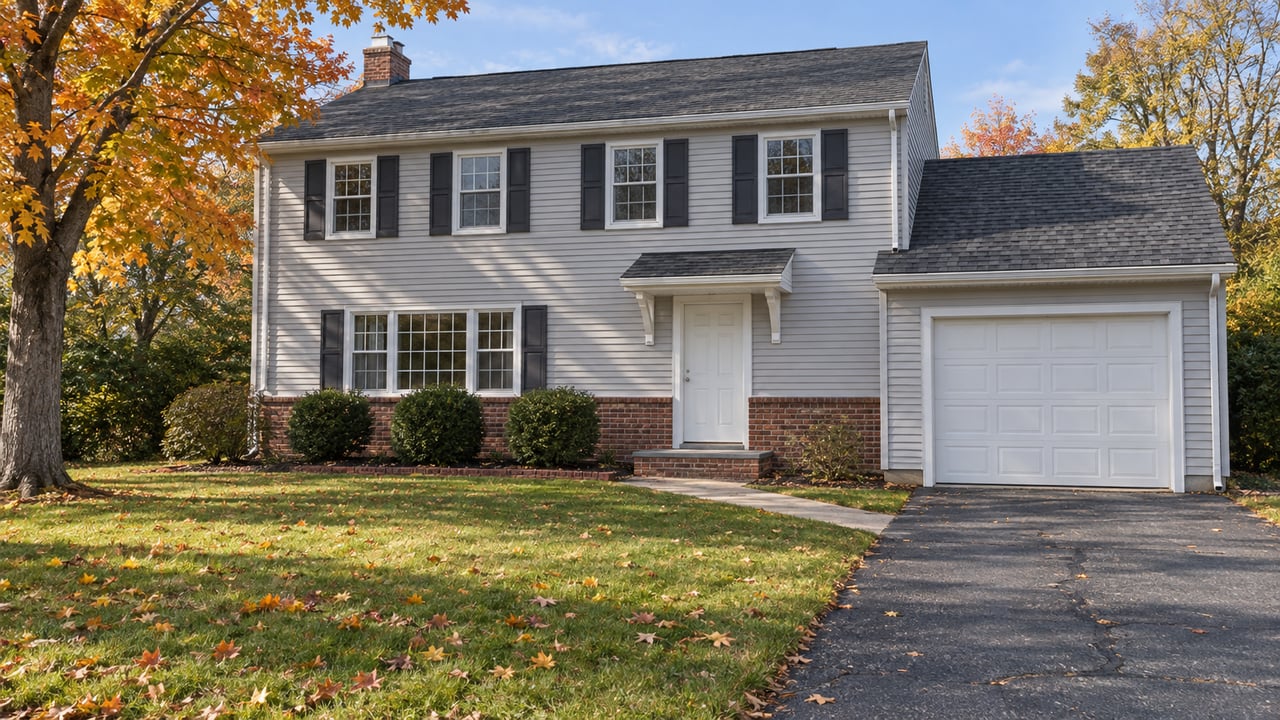
Homes within walking distance of NEC stations often command a premium and deliver a simpler commute. If you want more space, a short drive to a park-and-ride at Metropark or Edison can be a smart tradeoff, as long as you plan for parking and a predictable departure routine. Near rail lines, consider orientation, setbacks, and buffers that affect noise and vibration.
Ready to explore homes near transit?
If transit access will define your week, you deserve a plan that matches your schedule and budget. With deep local expertise across central New Jersey, I help you choose the right station area, test the commute, and focus on homes that fit your lifestyle. When you are ready, connect with Beth Harding to map your move and your morning ride.
FAQs
What are the main NJ Transit lines serving Middlesex County?
- The county is served by the Northeast Corridor, North Jersey Coast Line, and parts of the Raritan Valley Line. You can review routes and schedules on NJ Transit’s site.
Which Middlesex stations are best for frequent NYC service?
- NEC stops like New Brunswick, Metuchen, Edison, and Metropark offer the most frequent options to New York Penn Station and Newark Penn Station. Check current timetables on NJ Transit.
Is Amtrak realistic for occasional commuting from Middlesex County?
- Some riders use Amtrak at New Brunswick or Metropark for faster trips, but fares differ from NJ Transit passes. Compare options on Amtrak’s Northeast Corridor pages.
Where can I find local shuttles and first-mile options?
- Start with the county’s transit resources and your municipality for shuttle details, parking rules, and permit procedures.
What big projects could impact future NJ Transit capacity to NYC?
- The Gateway Program is a long-term effort to expand capacity and resiliency between New Jersey and Manhattan. Track updates as construction phases evolve.