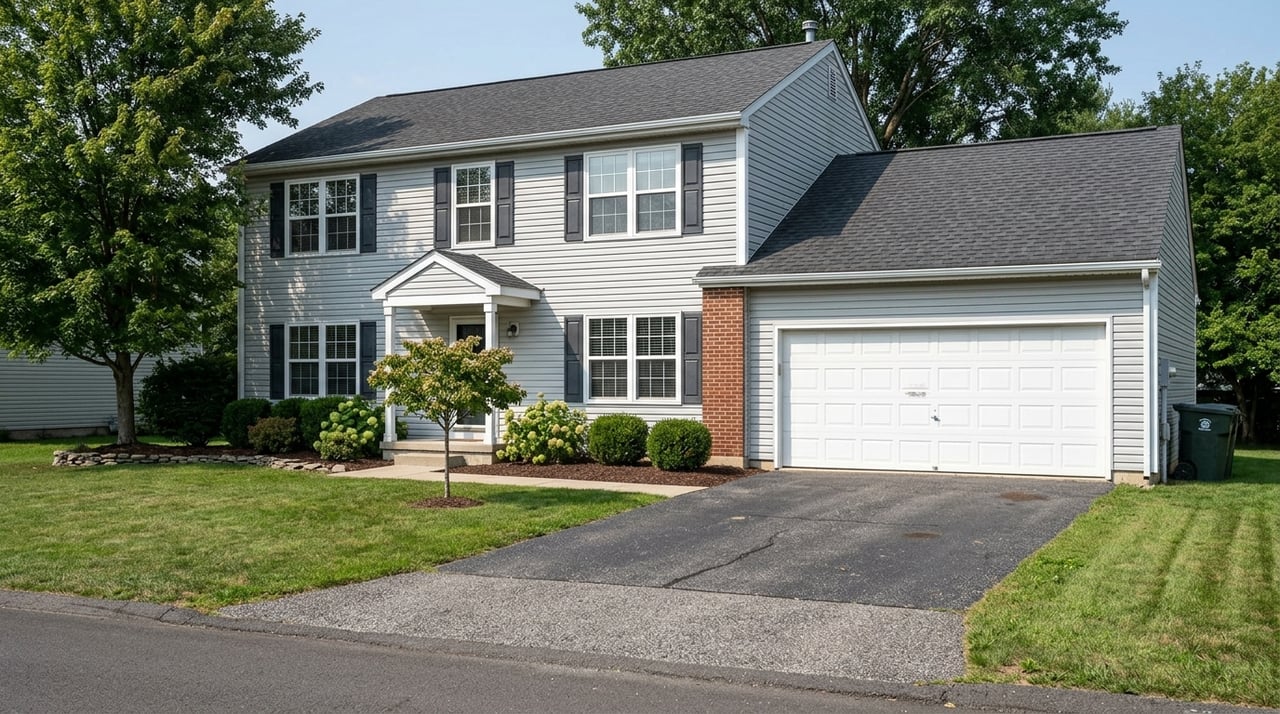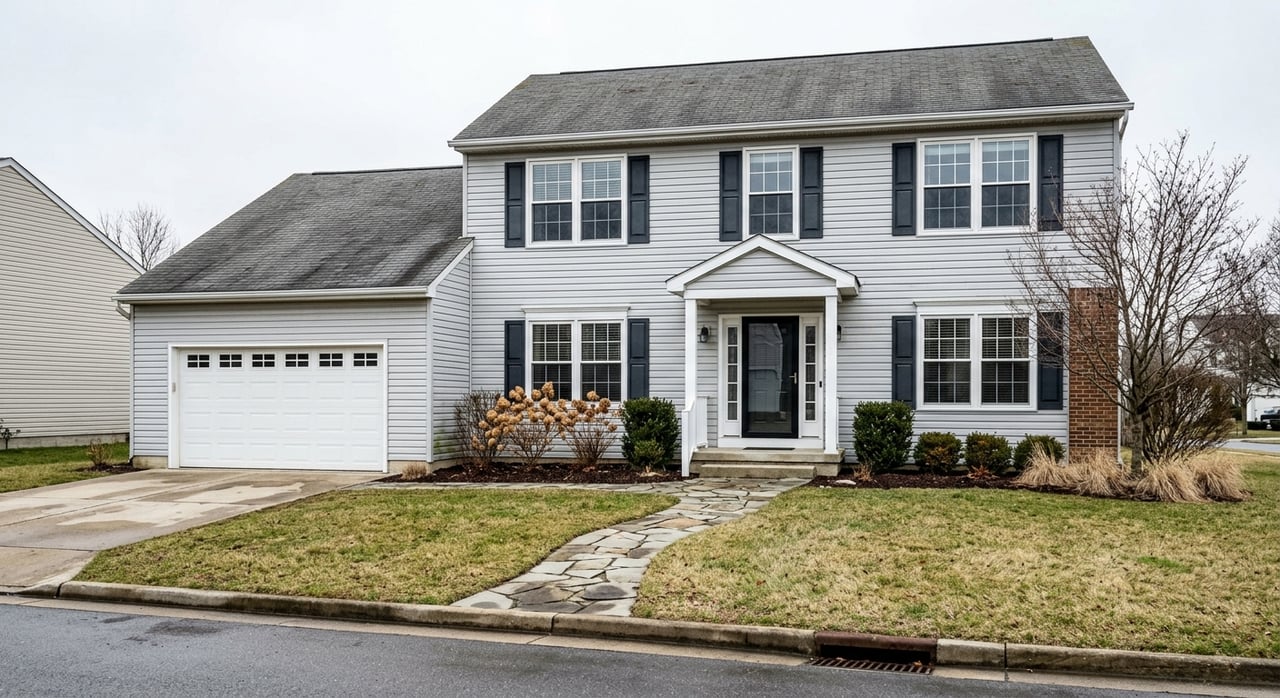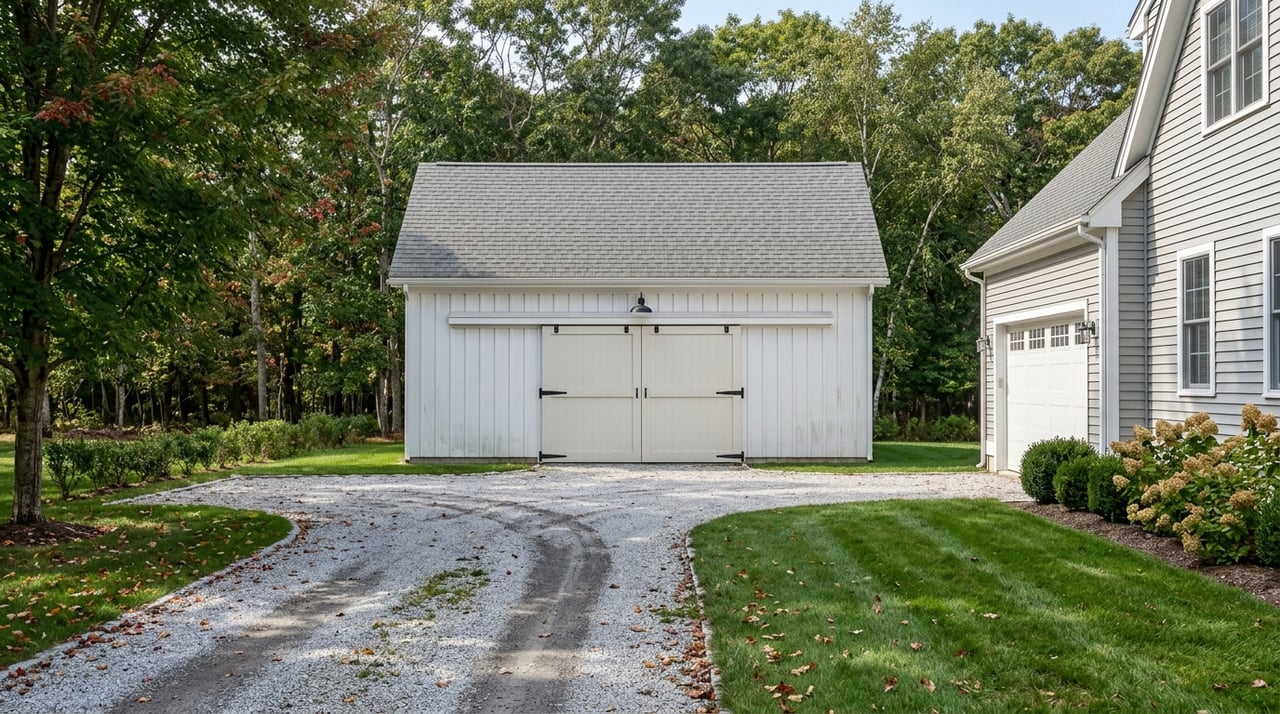
If you are preparing to sell a home with land in Hunterdon County, you are not just selling a house. You are selling a full property experience that may include privacy, usable acreage, outbuildings, views, and a rural lifestyle that buyers cannot always find elsewhere in New Jersey. That can create real opportunity, but it also means your pricing, prep work, and marketing need to be more precise than they would for a typical neighborhood home. Let’s dive in.
Why land matters in Hunterdon County
Hunterdon County has a strong rural and agricultural identity. According to the county’s Agricultural Development Board, more than 120,000 farmland-assessed acres make up about 44% of the county’s acreage, and the county continues to focus on protecting rural character, scenic vistas, and agricultural viability.
That local context shapes how buyers view your property. In many cases, they are looking at more than bedroom count and square footage. They may also be weighing how the land functions, how much privacy it offers, whether there are barns or workshops, and how the overall setting supports the way they want to live.
Price acreage with the right comparisons
A home with land should not be priced like a standard suburban resale on a small lot. Rural property valuation typically looks at comparable sales, site improvements, building improvements, and highest and best use. That means the right pricing strategy depends on more than your home’s interior finishes.
If your property includes extra acreage, fenced areas, woods, pasture, or outbuildings, those features need to be evaluated in the right context. Looking only at nearby colonials on much smaller lots can lead to a number that misses what makes your property different.
Beth Harding’s consultative approach is especially valuable here. With deep local experience in Hunterdon County, she can help you look at your property the way buyers and appraisers are likely to view it, so you enter the market with a pricing strategy that reflects the full picture.
Confirm farmland assessment early
If your property is farmland-assessed, this should come up at the very beginning of the listing process. In New Jersey, rollback taxes may apply when land use changes from agricultural or horticultural use to non-farm use. Those taxes can cover the year of the change plus the two prior years.
That does not mean every sale triggers an issue. The state notes that rollback taxes are not generated when a new owner continues active farmland use. Still, this is an important pricing and negotiation detail for mini-farms, horse properties, and hobby farms, so it is best to identify it early and present it clearly.
Review any preservation or easement limits
Some Hunterdon County properties are affected by preservation programs or easements. The county reports nearly 7,000 acres of preserved farmland as of January 9, 2026, and works with state and local partners to preserve agricultural land.
If your parcel is preserved or subject to an easement, review those documents before your home hits the market. Buyers may ask about future uses, additional structures, or land changes, and you will want accurate answers. Clear documentation helps you market honestly and avoid confusion later in the transaction.
Gather septic and well records before listing
Many homes in Hunterdon County rely on private septic systems and wells. The county’s homeowner guidance notes that the health department maintains records related to septic, well, underground storage tank, and related property files, while some septic records may also be kept by the municipality.
Getting these records early can save time once buyers begin asking questions. If you can provide documentation on system location, prior permits, and past work, you reduce guesswork and help your buyer feel more confident about the property.
Prepare for New Jersey well testing rules
If your property has a private potable well, New Jersey’s Private Well Testing Act applies when the property is sold or leased. The law requires testing, and both buyer and seller must review the results before title can close.
In practical terms, this is one of the first items to confirm when you are preparing to sell a rural property. Since the contract of sale must include the testing condition, it helps to discuss timing early so you do not run into preventable delays.
Check septic condition before buyers do
For homes with septic systems, a pre-listing review can be a smart move. New Jersey recommends that interested purchasers obtain a septic inspection before closing to avoid costly repairs or liabilities.
As a seller, you can get ahead of those concerns by confirming the system’s condition and location before listing, especially if the home has an older system, additions, or land that buyers may hope to use differently in the future. When you answer these questions up front, the sale often feels smoother and more transparent.
Understand flood disclosure requirements
Flood risk is now a formal seller disclosure issue in New Jersey. Beginning March 20, 2024, sellers must disclose specific flood-risk information in the property condition disclosure statement before a purchaser becomes obligated under a contract.
For Hunterdon County homes with land near streams, low-lying areas, or drainage features, this is especially important. Before marketing begins, verify whether the property is in a FEMA flood hazard area and gather any information you have about actual flood risk so your disclosure is complete and accurate.
Verify boundaries and mapped features
When land is part of the value, buyers want to know what they are actually getting. Hunterdon County’s GIS resources include parcel and easement datasets and public parcel-viewing tools that can help confirm boundaries, access, and mapped features.
This is especially helpful if your property includes a long driveway, wooded sections, multiple use areas, or access points that are not obvious from the road. A recent survey or parcel sketch can make your listing easier to understand and easier for buyers to trust.
Make the land easy to understand
One of the biggest mistakes sellers make with acreage properties is assuming the land will speak for itself. It usually does not. Buyers need help understanding how the property lives and what parts of the land are usable.
That means your marketing should clearly show features like open lawn, fenced sections, pasture, woods, garden space, mature trees, barns, workshops, and long views where applicable. Good land marketing turns acreage from a vague number into something concrete and appealing.
Stage the outdoors, not just the house
Staging matters on land properties just as much as it does indoors. Cleaning, decluttering, repairing, and organizing help buyers picture themselves in the home, and the same idea applies outside.
A clean driveway, trimmed grass, a swept porch, and organized outbuildings can make a major difference. If buyers can quickly understand where they would relax, store equipment, garden, or enjoy the view, your property will feel more functional and more memorable.
Expect practical buyer questions
Buyers interested in Hunterdon County land often ask detailed questions. They may want to know whether they can keep animals, how nearby agricultural activity affects daily life, whether any part of the property is constrained by easements or environmental conditions, and whether changing the land use could create taxes or approvals.
These are normal questions in this market. The stronger your listing file is before launch, the easier it becomes to answer them with confidence and keep your transaction moving forward.
Build a strong listing file
Before your property goes live, it helps to gather the documents and details buyers are most likely to request. A solid file can reduce uncertainty and help support your asking price.
Here are the most useful items to prepare:
- recent survey or parcel sketch
- septic and well documentation
- any recent inspection reports
- PWTA results, if applicable
- flood-risk disclosures
- a list of outbuildings and improvements with approximate age and use
- easement, preservation, or farmland-assessment documents
- clear photos of the land from multiple angles
Why local strategy matters
Selling a home with land in Hunterdon County is rarely a plug-and-play process. The best results usually come from a thoughtful plan that combines pricing discipline, strong documentation, and marketing that explains both the home and the land.
That is where local knowledge makes a difference. When you work with someone who understands how Hunterdon County buyers evaluate acreage properties, you are better positioned to avoid delays, answer questions clearly, and present the property in a way that feels complete and credible.
If you are getting ready to sell a home with land in Hunterdon County, a tailored strategy can help you protect value and move forward with confidence. For experienced local guidance and full-service support, connect with Beth Harding.
FAQs
What makes selling a home with land in Hunterdon County different?
- Buyers are often evaluating the land, outbuildings, privacy, access, and usable acreage along with the house itself, so pricing and marketing usually need more detail than a standard home sale.
What should you disclose about a farmland-assessed property in Hunterdon County?
- You should identify the farmland-assessment status early because New Jersey may impose rollback taxes if the land use changes away from agriculture.
What well testing is required when selling a home in Hunterdon County?
- If the property has a private potable well, New Jersey’s Private Well Testing Act requires testing, and both buyer and seller must review the results before title can close.
Why should you gather septic records before listing a Hunterdon County home?
- Early septic documentation can help answer buyer questions, reduce uncertainty, and lower the chance of delays during attorney review or closing.
What documents help market a home with acreage in Hunterdon County?
- The most helpful items usually include a survey or parcel sketch, septic and well records, flood disclosures, outbuilding details, and any easement, preservation, or farmland-assessment documents.
How can you make land easier for buyers to understand?
- Clear photos, boundary information, mapped features, and simple descriptions of usable areas can help buyers see how the land functions instead of just seeing a total acre count.