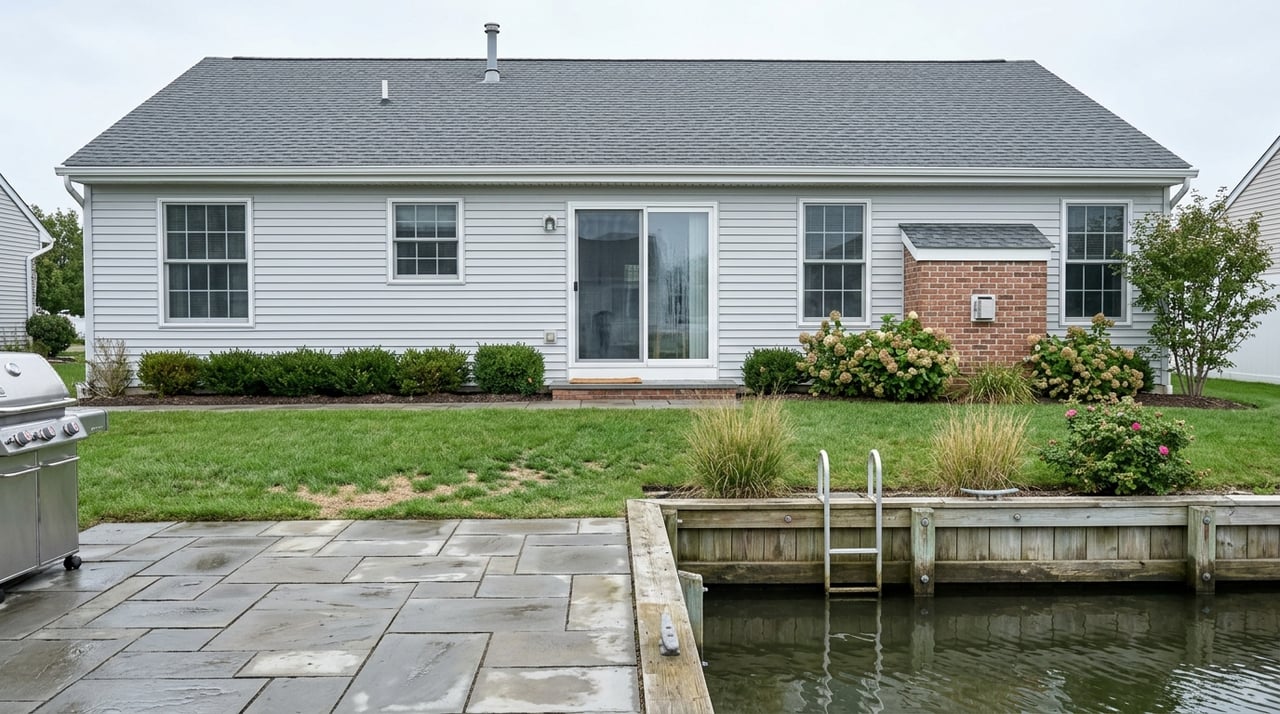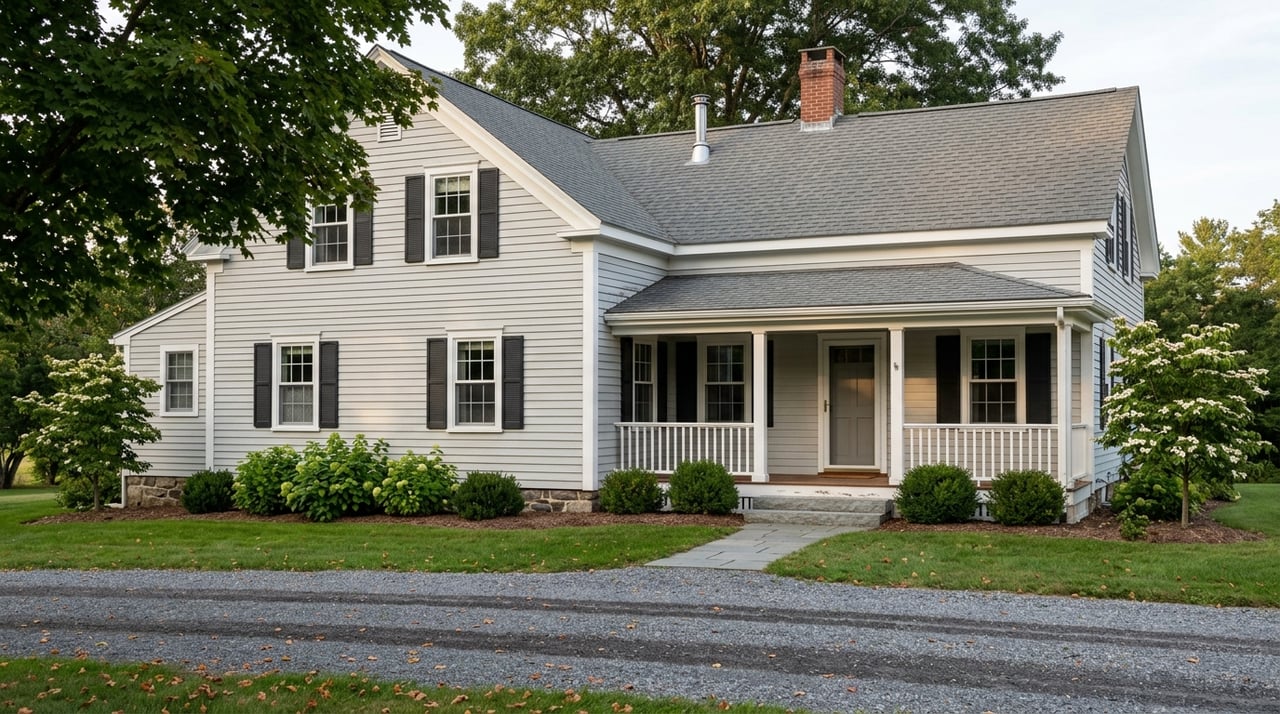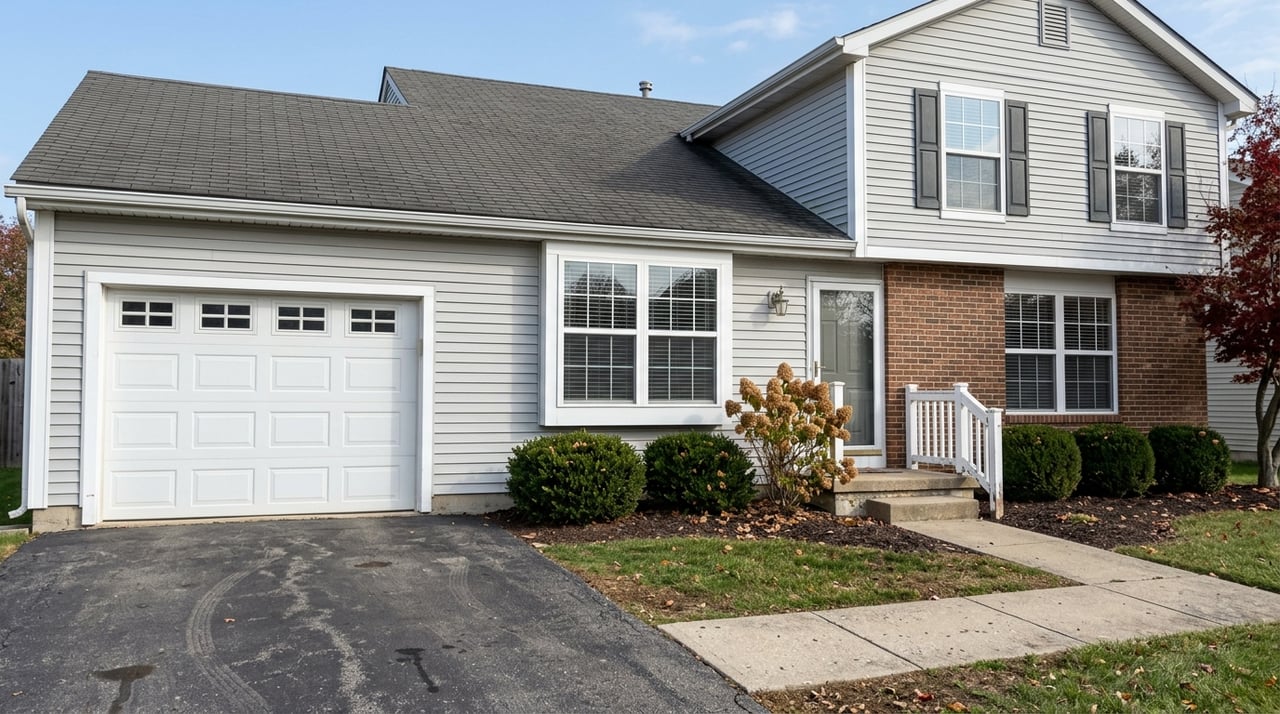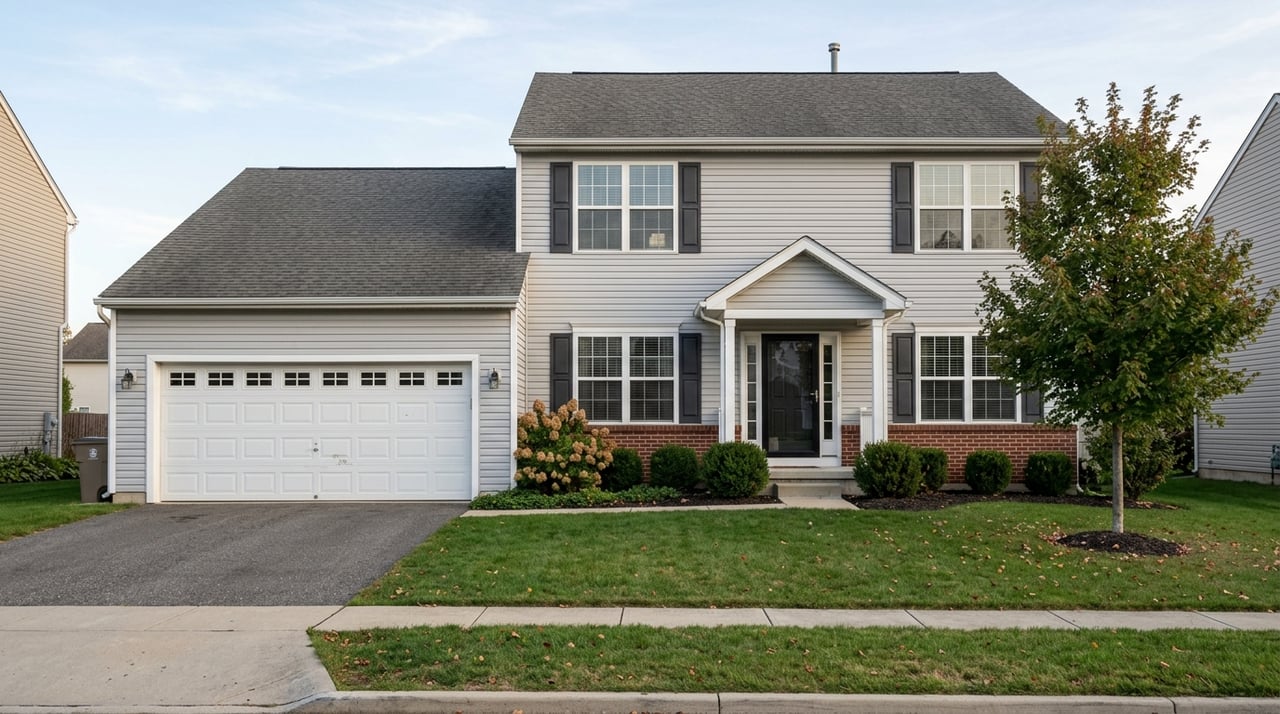
Are you looking at Ocean County as the place you will live every day, or as the shore escape you visit on weekends and in summer? That choice matters more than many buyers expect because how you use the home can affect financing, insurance, taxes, and the kind of upkeep you will take on. If you are trying to decide between a primary residence and a second home in Ocean County, this guide will help you sort through the practical differences and plan with more confidence. Let’s dive in.
Why Ocean County Creates This Question
Ocean County is not just a beach market, and it is not just a year-round residential county either. It is both. County sources note that Ocean County has 44 miles of Atlantic coastline and 42 miles of Barnegat Bay, while also offering mainland destinations like farms, historic downtowns, campgrounds, and the Pine Barrens.
That mix shapes how people buy here. Some buyers want full-time shore living, while others want a property they can enjoy part of the year and lock up when they leave. Census QuickFacts also shows a 2025 population estimate of 673,746 and an owner-occupied housing rate of 80.7%, which reinforces that Ocean County supports a large year-round homeowner base in addition to seasonal activity.
There is also a strong seasonal rhythm. County tourism information says summer crowds are weather-driven, then typically ease after Labor Day, with quieter shore conditions and seasonal events continuing into the shoulder season. For you, that means the same home can feel very different depending on whether you plan to live there full-time or use it as a retreat.
What Counts as a Primary Residence
A primary residence is your main home. For tax purposes, the IRS says you can have only one main home at a time.
For lending, Fannie Mae defines a principal residence as the borrower’s primary residence. In simple terms, this is the place where you live most of the time and treat as your home base.
If you are planning to move to Ocean County full-time, update your day-to-day life around that property, and live there year-round, you are likely thinking in primary residence terms. This path often makes sense for buyers who want ongoing access to the coast, a year-round community, and the lifestyle that comes with permanent residency.
What Counts as a Second Home
A second home is not just any extra property. Under Fannie Mae guidance, a second home must be occupied by the borrower for some portion of the year, be suitable for year-round occupancy, and cannot be rental property or a timeshare.
That distinction matters in Ocean County, where many buyers naturally think about occasional use near the shore. If you want a home for weekends, holidays, or summer stays, a second-home classification may fit, but only if the property and your intended use line up with lender guidelines.
A property that operates more like a short-term rental or investment may not qualify as a second home. That is why it is smart to discuss your exact plans with your lender before you make an offer.
Why Occupancy Status Matters
Occupancy status is not just paperwork. It can influence your loan options, your costs, your insurance setup, and even some future tax outcomes.
Fannie Mae says different occupancy types come with different eligibility and pricing rules, and some second-home loans include additional price adjustments. That means the home you love may be affordable under one occupancy scenario and more expensive under another.
Tax treatment can also differ. The IRS rules for a second home are not identical to lender rules, especially if you rent the property for part of the year. A shore home that feels like a second home in everyday life may be treated differently for financing or taxes depending on how often you use it and whether you rent it out.
Primary Residence in Ocean County: Best Fit Scenarios
A primary residence often makes the most sense if you want to build your daily life in Ocean County. You may be looking for regular access to the water, a change of pace, or a permanent move that lets you enjoy the area beyond peak beach season.
Ocean County works well for year-round living because it offers more than summer attractions. In addition to beaches and boardwalks, county sources highlight mainland recreation, historic downtowns, and other destinations that support a fuller twelve-month lifestyle.
You may lean toward a primary residence if you:
- Plan to live in the home most of the year
- Want a stable year-round routine in Ocean County
- Are comfortable carrying ongoing ownership costs all year
- Prefer a home that serves as your main base, not a getaway
With that said, full-time ownership means full-time responsibility. The CFPB notes that homeownership costs include repairs, property taxes, insurance, HOA dues, and money set aside for closing costs, moving, furniture, repairs, and improvements.
Second Home in Ocean County: Best Fit Scenarios
A second home may fit better if you want the Ocean County lifestyle without making it your full-time base. Many buyers are drawn to the flexibility of having a shore property for weekends, summer use, or periodic escapes during the year.
This option can be appealing if you already have a main home elsewhere in New Jersey or beyond. It lets you enjoy the county’s coastal and bay access while keeping your primary life centered somewhere else.
You may lean toward a second home if you:
- Expect to use the property part of the year
- Want a weekend or seasonal retreat
- Can manage a home when you are away for extended periods
- Understand that lender and tax rules may differ from primary-home rules
The tradeoff is that part-time ownership still brings full ownership duties. You are still responsible for maintenance, storm preparation, insurance planning, and property monitoring even when the home is sitting empty.
Coastal Ownership Means More Planning
This is where Ocean County deserves extra attention. New Jersey coastal areas face real environmental risks that should factor into your decision whether the home is primary or secondary.
The New Jersey Department of Environmental Protection says many coastal areas are highly vulnerable to flooding, storm surge, erosion, sea-level rise, and extra-tropical storms. The New Jersey Office of Emergency Management also notes that barrier islands and coastal communities are especially vulnerable to storm surge and may be among the first areas to receive evacuation orders.
For a primary residence, that means learning the local risk profile and preparing for year-round weather realities. For a second home, it adds another layer because you may not always be nearby when a storm approaches or cleanup is needed.
FEMA guidance on vacant properties emphasizes monitoring and securing unoccupied buildings. FEMA flood guidance also stresses prompt cleanup and documentation after water damage to help reduce mold risk. If you plan to leave the home vacant for stretches, these practical details become even more important.
Insurance and Flood Questions to Ask Early
Insurance is one of the biggest checkpoints for any Ocean County purchase. Near the shore, buyers often learn quickly that standard homeowners coverage does not tell the whole story.
The New Jersey Department of Banking and Insurance says homeowner’s policies exclude flood damage. FEMA also treats flood insurance separately, and the CFPB notes that standard homeowners insurance typically does not cover flood damage.
If the property is in a FEMA Special Flood Hazard Area, flood insurance is likely required. Before you buy, it is wise to review the property’s flood map status and confirm any local floodplain permit requirements if you plan to renovate or expand.
This matters whether the home is your primary residence or your second home. Still, for a second home, the risk can feel more complex because you may not be on site to respond quickly after a storm or water event.
Tax Differences to Keep in Mind
Taxes are another area where buyers should slow down and ask questions. The same property can be viewed differently depending on how you use it and whether you rent it.
The IRS says mortgage interest can be deductible on a main home or second home if the debt is secured and other requirements are met. But if a second home is rented part of the year, it must also meet the IRS use test to be treated as a home rather than rental property.
There is also a major future-sale difference for some owners. The IRS home-sale exclusion may apply to a main home if ownership and use tests are met, allowing up to $250,000 of gain excluded for single filers or up to $500,000 for joint filers. That exclusion is tied to a principal residence, so a home you expect to become your permanent Ocean County address may have different long-term tax implications than a home you plan to keep as a second property.
A Simple Way to Decide
If you are torn between the two, start with your honest day-to-day plan. The best label is not the one that sounds most convenient. It is the one that accurately reflects how you will use the home.
Ask yourself:
- Will you live there most of the year?
- Will this be your main home base?
- Will you use it only on weekends or in certain seasons?
- Will you rent it at all?
- Can you handle upkeep when you are away?
- Are you prepared for coastal insurance and storm planning?
Your answers will usually point you in the right direction. From there, you can confirm the details with your lender, insurance agent, and tax professional before moving forward.
How Beth Harding Helps You Buy Smarter
When you are weighing a primary residence versus a second home, local context matters. In a market like Ocean County, the right decision is not just about the property itself. It is also about how the home fits your lifestyle, your budget, and your long-term plans.
Beth Harding brings a consultative, hands-on approach to residential real estate across New Jersey, including selective activity in Ocean County. That means you can expect clear communication, practical guidance, and a focused home search built around how you actually plan to live, not just what looks good online.
If you are considering an Ocean County purchase and want experienced guidance on finding the right fit, connect with Beth Harding to schedule your free consultation.
FAQs
What is the difference between a primary residence and a second home in Ocean County?
- A primary residence is your main home where you live most of the time, while a second home is a property you occupy for part of the year and that must meet lender rules for year-round suitability and personal use.
Can an Ocean County shore property be a second home if I rent it out sometimes?
- Possibly for tax purposes depending on your use, but lender rules for second homes are stricter, so you should confirm with your lender before you buy.
Does a second home in Ocean County need flood insurance?
- If the property is in a FEMA Special Flood Hazard Area, flood insurance is likely required, and standard homeowners insurance does not cover flood damage.
Is Ocean County only a seasonal market for homebuyers?
- No. Ocean County has a large year-round homeowner base, plus beaches, bay access, and mainland attractions that support full-time living as well as seasonal use.
Why does occupancy status matter when buying in Ocean County?
- Occupancy status can affect loan eligibility, loan pricing, insurance planning, tax treatment, and how you prepare for maintenance and storm risks.