Thinking about selling your Hunterdon County home this season? You want a clear plan, the right timing, and no last‑minute surprises. With a step‑by‑step timeline that fits local norms like wells, septic systems, and acreage marketing, you can list with confidence and move on your schedule. Below, you’ll find a practical 8‑week plan, what buyers expect here, and exactly how the process unfolds from first consult to closing. Let’s dive in.
Your 8-week listing plan
Weeks -8 to -6: Plan and select your agent
- Meet with a local listing agent who knows Hunterdon County. Review recent comparable sales in your town and school district.
- Request a comparative market analysis and discuss pricing paths: aggressive launch, market‑testing, or pre‑emptive pricing.
- Map out marketing: pro photos, floor plan, 3D tour, and drone for acreage or higher‑end properties.
- Decide how you’ll handle showings and open houses. Align on availability and access early.
- Identify any major repairs that need contractor quotes.
Weeks -6 to -4: Inspections and major repairs
- Consider a pre‑listing home inspection to surface issues before buyers do.
- If your property has a private well and septic, schedule those inspections. These are common requests locally.
- Get estimates and schedule repairs for roof, HVAC, electrical, moisture, foundation, or septic.
- If permits are needed, confirm timelines with the municipality.
- Assemble documents: deed, survey, tax and utility bills, warranties, and renovation invoices. If applicable, gather HOA documents.
- Check in with a local real estate attorney or title company about typical closing requirements.
Weeks -4 to -2: Staging and cosmetic updates
- Deep clean, declutter, and depersonalize. Remove extra furniture to make rooms feel larger.
- Touch up paint in neutral tones. Update small items with strong ROI, like lighting, hardware, and fresh caulk or grout.
- Boost curb appeal: mow, prune, power wash, mulch, and refresh the front door and house numbers.
- Stage key rooms. For vacant homes, consider partial or virtual staging.
- Schedule professional photography and a floor plan. For larger lots, plan drone shots to showcase acreage and outbuildings.
Weeks -2 to 0: Final prep and photography
- Finish repairs and staging. Complete a final deep clean and carpet cleaning.
- Add simple accessories for photos, like fresh towels and plants.
- Shoot interiors, exteriors, and twilight images if helpful. Create your floor plan and 3D tour if using one.
- Draft marketing copy that highlights commuter access, lot size, outdoor amenities, and district boundaries where relevant.
- Confirm showing instructions, lockbox, and keys with your agent. Schedule any open houses.
Week 0: Go live
- Publish on the MLS and begin targeted outreach.
- Host a broker preview or first open house if planned.
- Watch early feedback and adjust pricing or marketing if activity is soft.
Weeks 1–4: Active showings and offers
- Keep your home show‑ready. Flexible windows increase traffic.
- Expect weekly updates on activity, feedback, and market response.
- Review offers by net proceeds, contingencies, timelines, and buyer financing strength. If multiple offers arise, set a clear strategy.
Offer accepted: Contract period typically 30–60 days
- Buyer inspections usually occur in the first 7–10 days. Be ready to address repairs or offer credits.
- Buyer’s lender orders the appraisal. If value comes in low, you may negotiate price or address an appraisal gap.
- Title search begins. Work with your attorney or title company to clear any issues quickly.
- Plan your move logistics, utility transfers, and the buyer’s final walk‑through.
Final week(s) before closing
- Provide requested documents to title or your attorney.
- Arrange meter readings, utility transfers, and key handoff instructions.
- Expect the buyer’s final walk‑through 24–48 hours before closing.
- Sign settlement documents at the agreed office and transfer the property.
What Hunterdon buyers expect
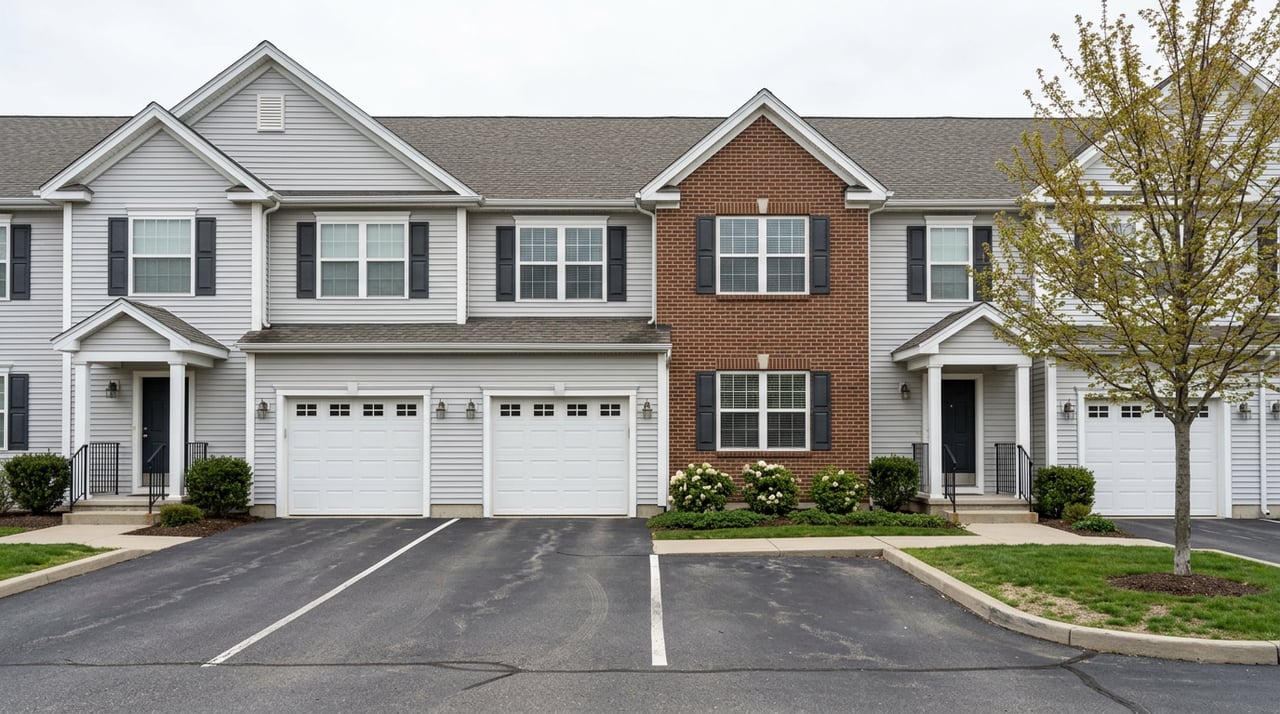
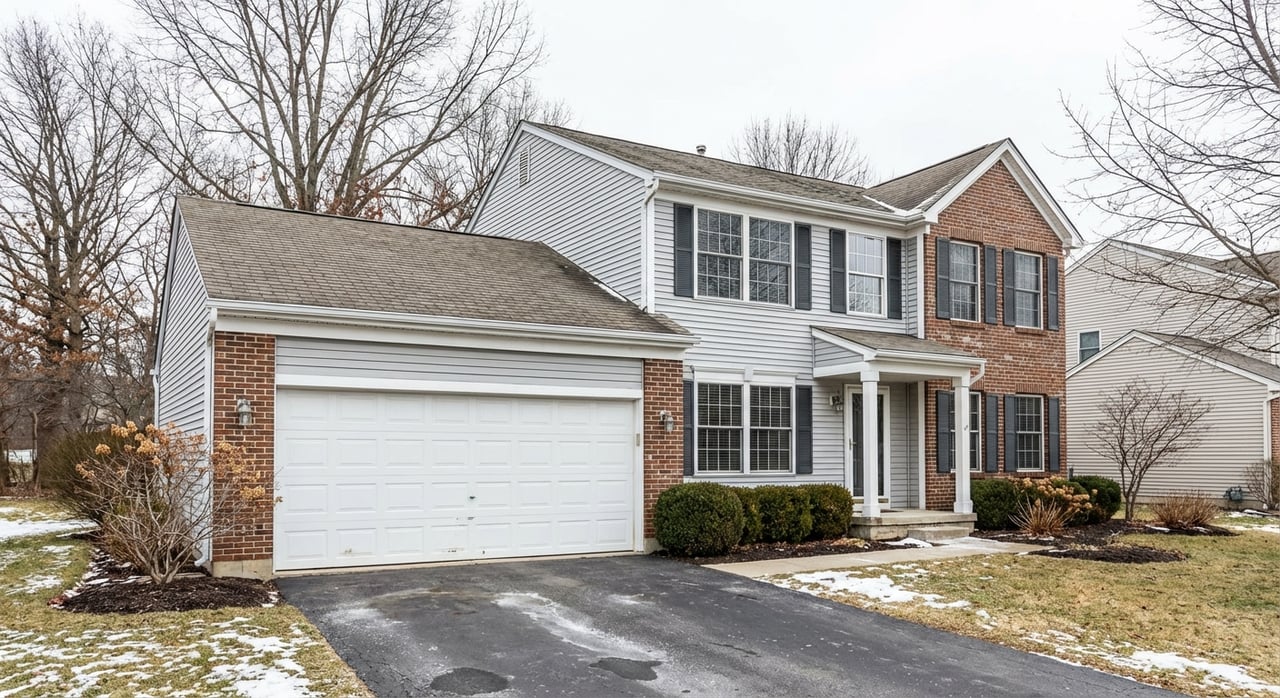
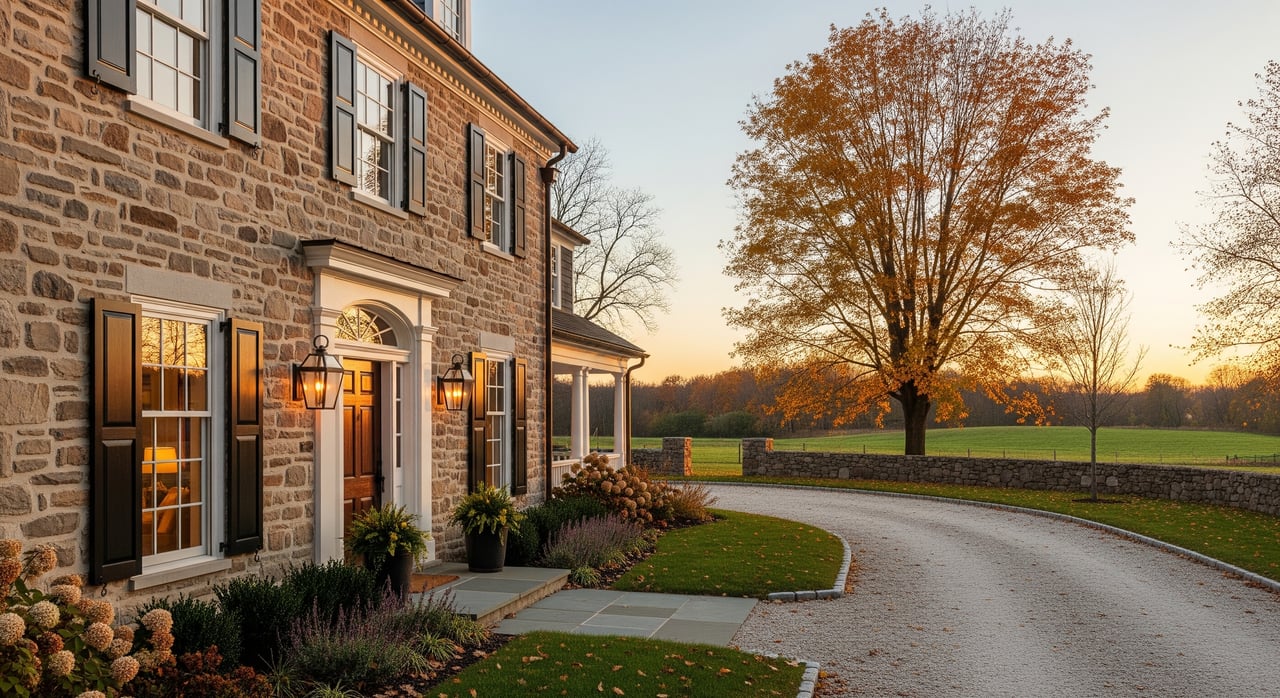
- Home types: suburban and rural single‑family homes, historic farmhouses, equestrian properties, and newer subdivisions.
- Features: outdoor space, finished basements, garages, mudrooms, and updated kitchens and baths often draw interest.
- Systems: private wells and septic systems are common. Buyers frequently request tests and documentation.
- Location: proximity to highways and commuter rail can widen your buyer pool. Highlight commute times and local amenities.
- Taxes and districts: property taxes are top of mind. District boundaries can influence demand, so use comparable sales within the same district when pricing.
- Seasonality: peak activity typically runs March through June, with a second window in September and October. Winter can still work with motivated buyers and less competition.
Pricing and strategy for Hunterdon County
- Use recent comparables that match your town, district boundaries, lot size, and road type whenever possible.
- Discuss three pricing paths with your agent: aggressive, market‑testing, or pre‑emptive.
- Prepare for appraisal by aligning list price with recent sales and market momentum. Your agent can provide a data packet to support value.
- Decide early how you will handle inspection credits versus pre‑listing repairs, especially for older homes or rural systems.
Inspections, disclosures, and compliance
- Lead‑based paint: if your home was built before 1978, plan to provide the required federal disclosure and EPA pamphlet, plus any known information.
- Smoke and CO detectors: ensure devices are installed and working according to local code before listing.
- Private systems: for well and septic, pre‑listing tests can reduce friction and help with pricing.
- Other checks to consider: general home inspection, radon where risk suggests it, and chimney or wood‑burning appliance inspections.
- Title and attorney work: engaging early helps surface payoff demands, easements, or other issues before buyers do.
Staging and prep checklist
- Exterior: mow and edge, prune shrubs, refresh mulch, power wash siding and walkways, fix gutters, paint the front door, and replace worn hardware.
- Interior: declutter and deep clean, touch up paint in neutral tones, complete minor repairs, clear kitchen and bath counters, and show off storage.
- Lighting: use bright, warm bulbs and clean fixtures.
- Smells: eliminate pet odors, deep‑clean carpets, and avoid strong cooking smells before showings.
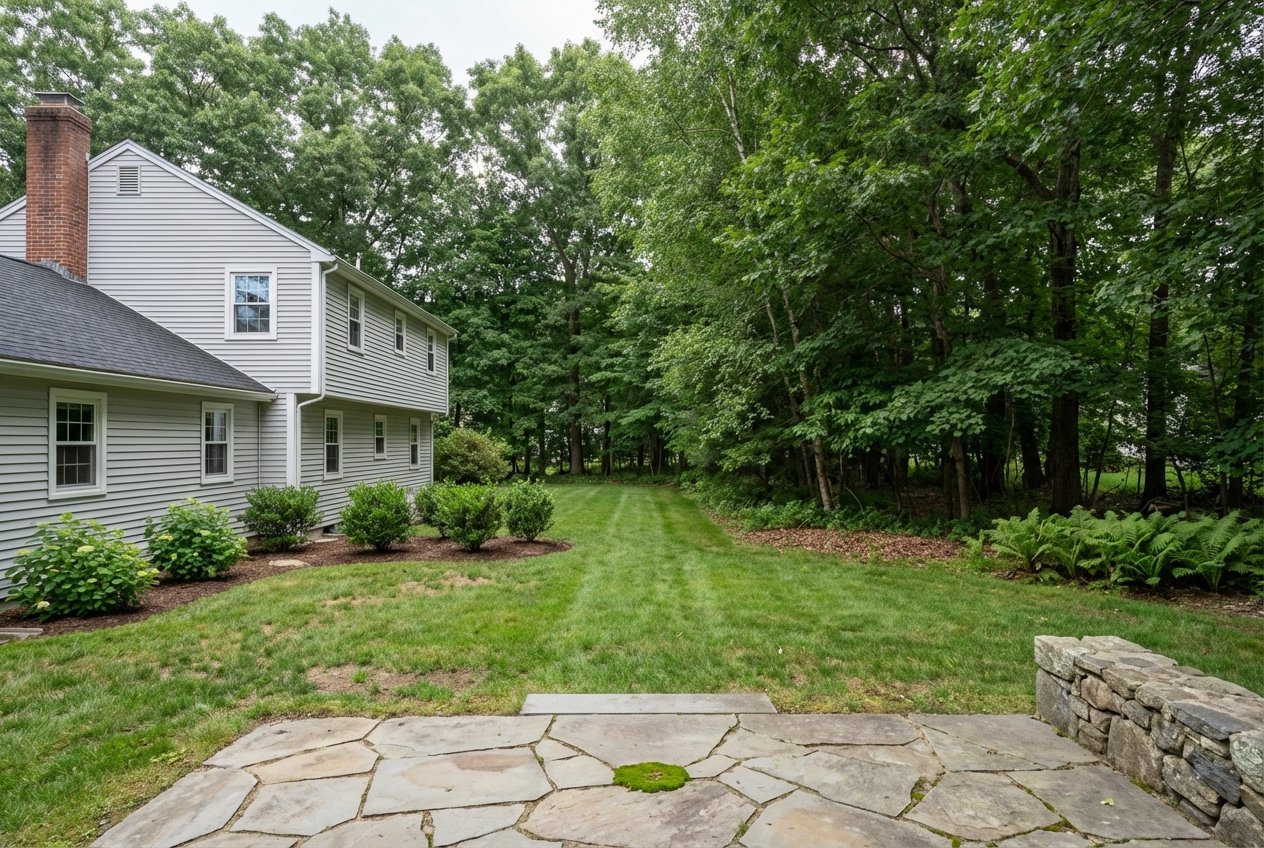
- Photos: spotlight acreage, outbuildings, stonework, streams, paddocks, or fields common to Hunterdon properties.
Showings with less stress
- Set predictable windows for weekday evenings and weekends to capture commuter and relocation buyers.
- Use a lockbox for agent‑accompanied access and fast confirmations.
- Create a quick prep routine: lights on, blinds adjusted, counters cleared, and trash removed.
- Have a pet plan such as a quick walk, crate, or temporary boarding during open houses.
Marketing that fits rural and suburban homes
- Professional photography and a measured floor plan help buyers understand layout and size.
- Drone images and site details are expected for acreage and higher‑end listings.
- 3D tours can expand reach to relocation buyers who preview homes remotely.
- Highlight commuter options, parks, river access, historic downtowns, equestrian amenities, and lot features that matter to your target buyer.
From offer to closing: what to expect
- Inspections: typically in the first 7–10 days under contract. Use your pre‑listing findings to guide credits or repairs.
- Appraisal: ordered by the buyer’s lender. If the valuation is short, be ready to revisit price or terms.
- Title: respond quickly to payoff requests and questions to avoid delays.
- Timing: plan for about 30–60 days from contract to closing in New Jersey.
Ready to map your exact timeline, pricing, and marketing strategy for your home and town? Schedule a friendly, no‑pressure consult with Beth Harding to get a tailored plan and next steps.
FAQs
How long from listing to closing in Hunterdon County?
- Most sellers see several weeks of active marketing followed by a 30–60 day contract period before closing, depending on financing and title timelines.
Should I complete a pre‑listing home inspection?
- It is optional but helpful, especially for older homes and those with private well and septic systems, because it reduces surprises and informs pricing or credits.
What repairs are worth doing before listing?
- Prioritize safety and major systems, then target cosmetic updates with strong ROI like lighting, hardware, paint touchups, and fresh caulk or grout.
How should I price my Hunterdon County home?
- Use recent comparable sales that match your town, district boundaries, lot size, and condition, and discuss three pricing paths with your agent.
How do I handle showings with pets and a busy schedule?
- Set defined showing windows, use a lockbox for agent access, prep a quick checklist, and arrange a pet plan such as walks, crating, or short‑term boarding.
Do buyers expect well and septic documentation?
- Yes. Many buyers request well flow data and septic service or inspection reports, so plan tests and gather records in advance when possible.