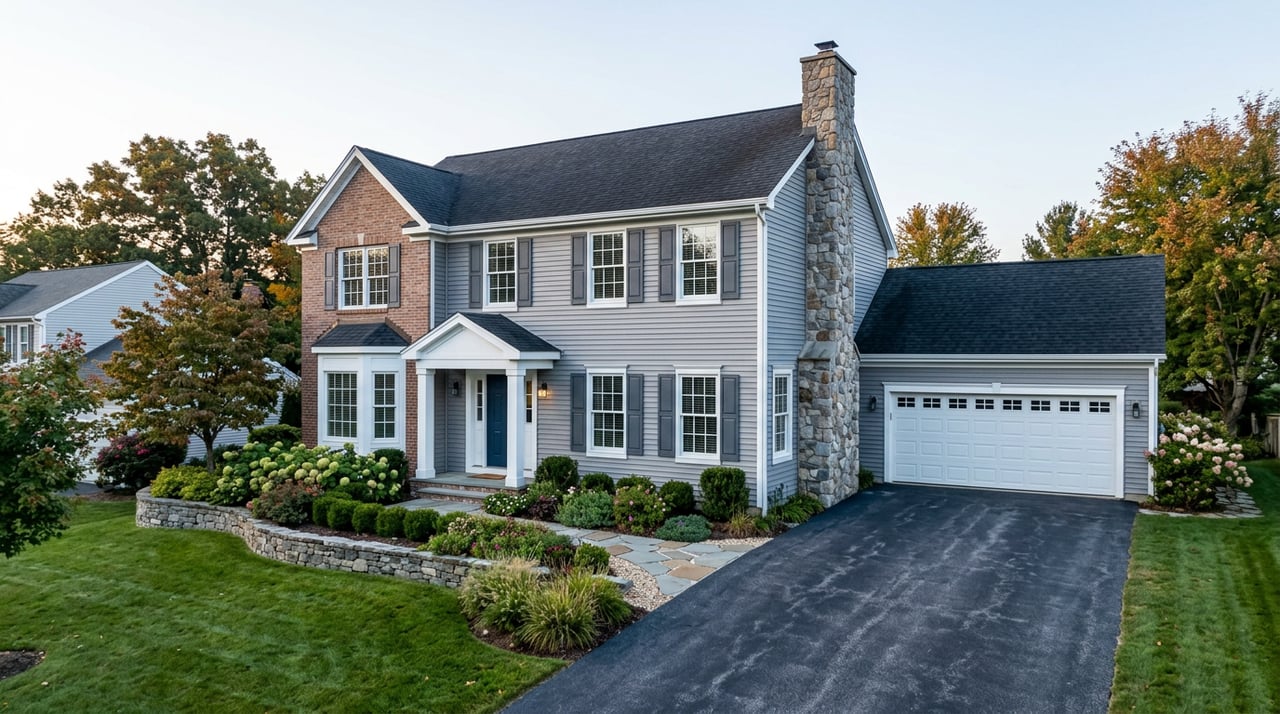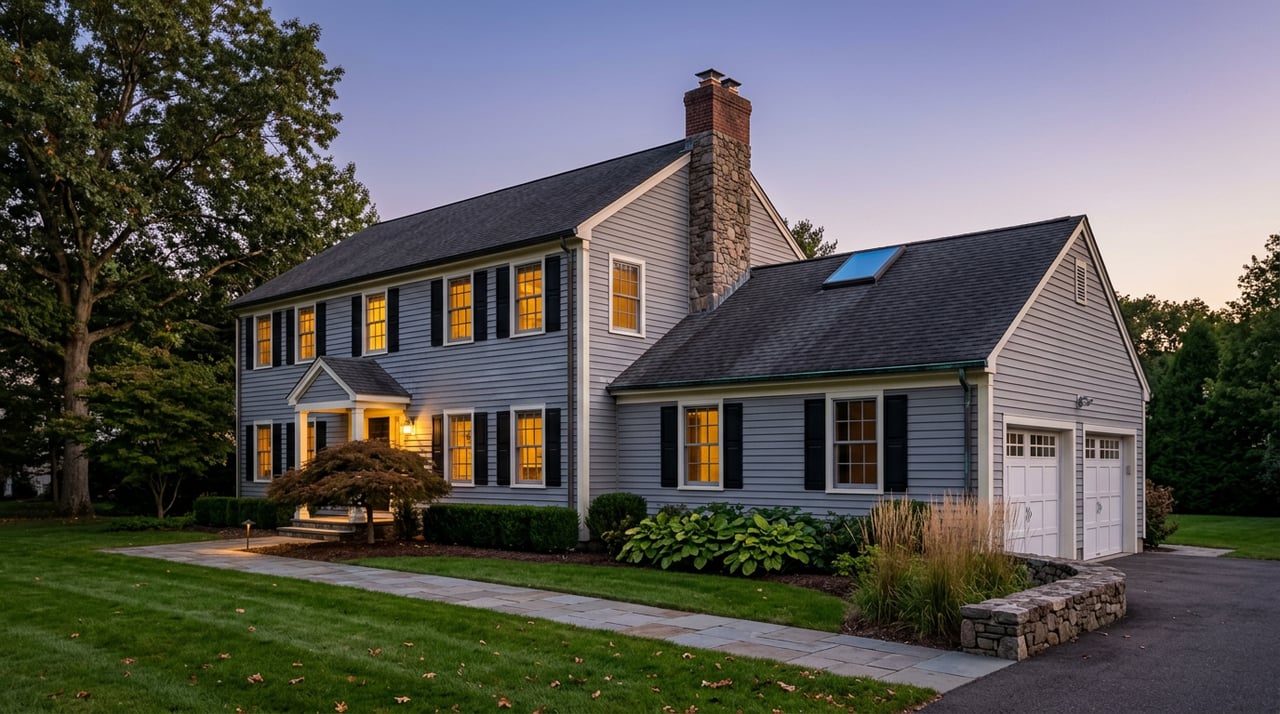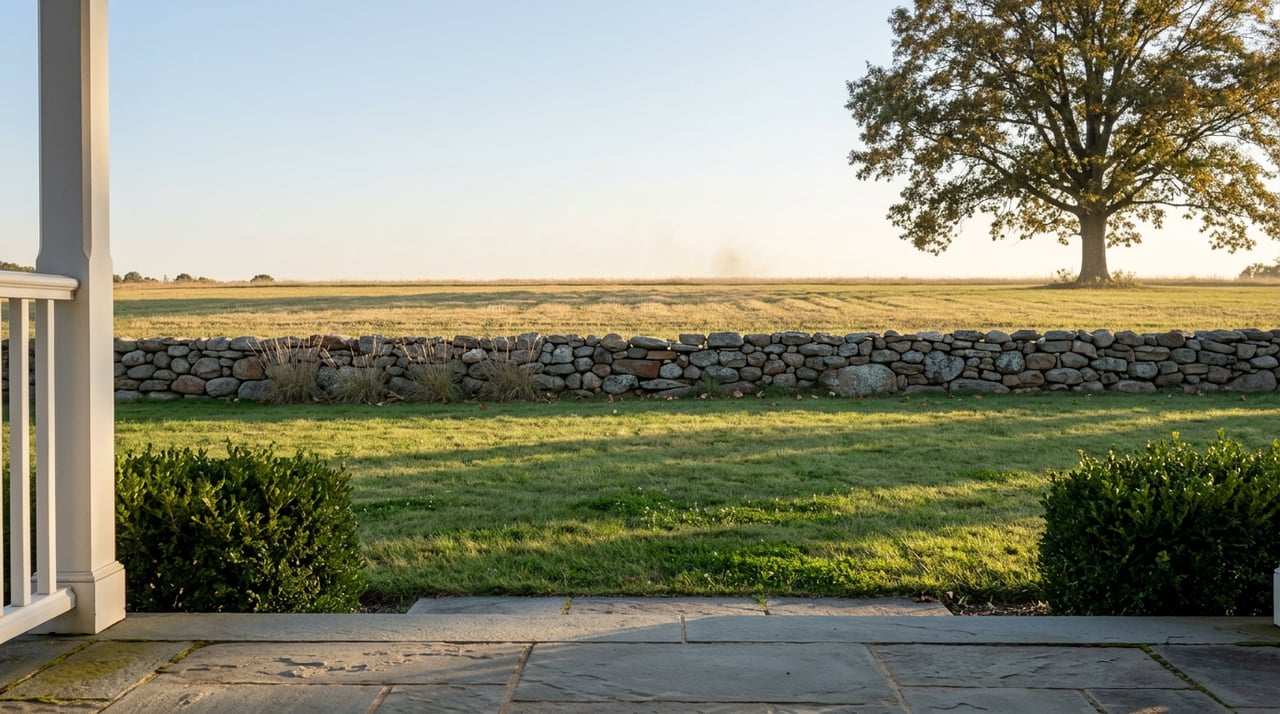
Picture this scenario, because some version of it plays out in the county almost every wedding season: a buyer falls for a stone farmhouse with a hayfield view somewhere off Route 523 in Readington, or a colonial backing up to preserved cropland in Franklin Township. The inspection comes back clean. The disclosure form is signed. Then, a few weeks after closing, a Saturday night brings amplified music, a line of parked cars along the shoulder, and string lights strung across a barn on the farm next door. The new owner calls the township to complain about the noise.
The township can't do much about it. Not because nobody cares, but because the law says the complaint has to go somewhere else first.
That "somewhere else" is the County Agriculture Development Board, and the reason it works that way in New Jersey traces back to a specific 143-acre property, a specific nursery operation, and a court fight that started right here in Hunterdon County.
The Case That Wrote the Rule
New Jersey has more than one township named Franklin. Somerset County has one. So does Gloucester, Warren, and several other counties. The Franklin Township that matters for this story sits in Hunterdon County, and in the late 1990s it sued a landowner named David den Hollander over an ornamental plant production operation run under the names Garden State Growers and Quaker Valley Farms.
The farm covered 143 acres zoned Agricultural-Residential, with a large chunk of that land under a deed of easement held by the Hunterdon County Agricultural Development Board. The operation had grown to employ around 150 workers and included dozens of hoop houses, roughly 14 feet wide and 200 feet long, along with paved areas, gravel lots, and stormwater structures the township said violated local site plan rules. Franklin Township filed suit in 1998 seeking to force compliance with its zoning ordinance.
The farm's owners argued the case belonged in front of the Hunterdon County Agricultural Development Board, not a judge, because the Right to Farm Act gives agricultural boards primary jurisdiction over disputes involving commercial farms. The trial court disagreed at first. The Appellate Division largely sided with the farm in 2001, and in May 2002 the New Jersey Supreme Court affirmed that decision in Township of Franklin v. den Hollander.
The ruling didn't hand farms a blank check. The Court was clear that agricultural boards still have to weigh public health, safety, and legitimate municipal interests, and that a farm can't stretch "agricultural practice" to cover anything it wants. But the core holding stuck: if a complaint concerns something the Right to Farm Act might protect, the County Agriculture Development Board reviews it first, before a court ever gets involved. That single procedural rule, born out of a zoning fight over hoop houses and impervious surfaces in Hunterdon County, still shapes how every farm-neighbor dispute in New Jersey gets handled today.
What "Commercial Farm" Actually Covers
The protection only applies to operations that qualify as a commercial farm, and the threshold is lower than most buyers expect. A farm of five acres or more qualifies if it produces at least $2,500 a year in agricultural or horticultural output and carries a farmland assessment. Farms smaller than five acres need to clear $50,000 in annual production. Beekeeping operations qualify at just $10,000 a year in apiary products or pollination services.
Qualifying activities go well beyond growing crops. They include operating a farm market, clearing land with controlled burning, installing water and soil conservation structures, and in many cases hosting agritourism events like farm-to-table dinners or barn weddings, provided the County Agriculture Development Board has approved the activity through what's called a Site-Specific Agricultural Management Practice determination. That's the mechanism that turns a working hayfield into a legally protected wedding venue on weekends, and it's also the mechanism a neighbor's noise complaint has to work around.
This Isn't Dormant Law in Hunterdon
None of this is a historical curiosity confined to a 25-year-old court file. Hunterdon's County Agriculture Development Board is an active body doing this work right now. Planning board minutes from October 2025 show the board acting on a Special Occasion Events resolution for a farm in Readington Township, the kind of approval that clears the way for exactly the sort of weekend event a new neighbor might later want to complain about. The same meeting recorded preservation applications moving forward in Franklin, Alexandria, and Holland Townships, with the State Agriculture Development Committee granting final approval to three Hunterdon farms and preliminary approval to two more in Franklin Township that September.
Minutes from a May 2026 board meeting show the pipeline is still moving. Among 31 active applications, specific parcels were listed by name: Glen Manor in Bethlehem Township had an offer out to the landowner, a property known as Byrnes in Delaware Township was under survey review, and a Valley Road parcel in Hampton Borough had appraisals under review at the state level. This is a live regulatory process running across the same townships where Hunterdon's move-up buyers are shopping right now, not a rule that only mattered in 2002.
The Gap in Your Disclosure Form
Here's the part that catches buyers off guard even after they've read the statute. New Jersey's Real Property Disclosure Act and the newer Consumer Protection Enhancement Act require sellers to complete a Seller's Property Condition Disclosure Statement covering the property being sold. That form tells you about the house. It says nothing about the legal status of the farm across the fence line, because that farm isn't the property changing hands. Nobody is obligated to tell you the neighboring parcel is farmland assessed, deed-restricted through the county's preservation program, or already sitting on an approved Special Occasion Events resolution. That information exists in county and municipal records, not in your closing package.
The distinction that matters most is the one between farmland assessed and permanently preserved. A parcel under simple farmland assessment, which requires an annual application filed by August 1 under N.J.S.A. 54:4-23.1, can in theory be sold for development later if the owner stops farming and pays the rollback taxes. A parcel under one of the county's preservation programs, whether the eight-year municipal program or a permanent Purchase of Development Rights easement, is restricted to agricultural use going forward regardless of who owns it next. One tells you the field next door might become a subdivision someday. The other tells you it almost certainly won't, and that whatever farming happens there is likely to keep happening, weddings and all.
Questions Worth Asking Before You Write an Offer
A buyer who wants a straight answer before closing has to ask for it directly, because it won't come looking for them.
- Is the adjoining or nearby parcel farmland assessed, permanently preserved, or neither, and who holds the easement if one exists?
- Has that farm been through the County Agriculture Development Board's certification process as a commercial farm?
- Does county board correspondence show any Site-Specific Agricultural Management Practice approvals for events, direct marketing, or expanded operations on that parcel?
- What agricultural activity has actually been happening there in the last two seasons, not just what the zoning map says is permitted?
A title search will surface a deed of easement. It won't tell you whether the farm has a standing approval for Saturday weddings. That second answer sits in county board records, and Hunterdon's board meets and publishes minutes regularly, which makes the information available to anyone willing to look before they're the one placing the call to code enforcement.
Why This Matters More Here Than Almost Anywhere Else
Every state has some version of a right to farm law. What makes Hunterdon's version worth understanding in detail is that the case defining how far it reaches, and who gets to decide, happened on a farm inside this county's own borders. That's not a coincidence of geography that a generic explainer of the statute would ever mention, and it's the reason a buyer here benefits from someone who tracks not just what the law says but what the county's agricultural board is actually approving this year.
Buying a home near active farmland in Hunterdon County isn't buying a view. It's entering a legal neighborhood with its own governing body, its own approval process, and a track record stretching back to the case that shaped it. Knowing that before you write an offer beats learning it the first Saturday night the barn lights come on.
If you're weighing a property near farmland anywhere in Hunterdon County and want to know what's actually on record for a specific parcel before you make an offer, Beth Harding can help you dig into it. Schedule your free consultation and get answers before you're under contract, not after.
A Few Straight Answers
Does Right to Farm mean a farm can do anything it wants? No. The County Agriculture Development Board still has to weigh public health, safety, and legitimate municipal standards, and the New Jersey Supreme Court's own opinion in the den Hollander case said as much. The board reviews first, but it doesn't have unlimited authority to override every local concern.
What if the farm next door isn't big enough to qualify as commercial? Then the standard protections don't apply, and a nuisance complaint would likely go through the normal municipal and court process instead of through the county board.
Where do I actually find CADB approvals for a specific parcel? Hunterdon County's Division of Planning and Land Use publishes agenda packets and meeting minutes online, and the county's Agriculture Development Board page is the starting point for tracking active applications and resolutions by township.