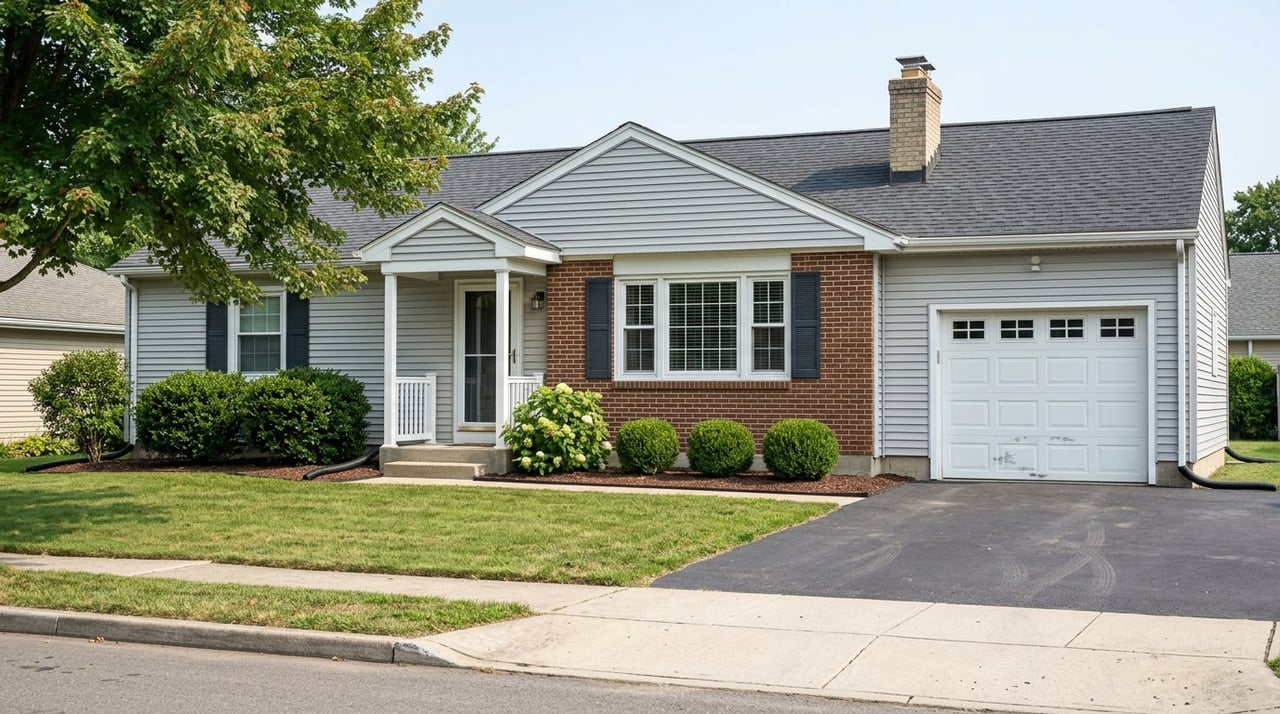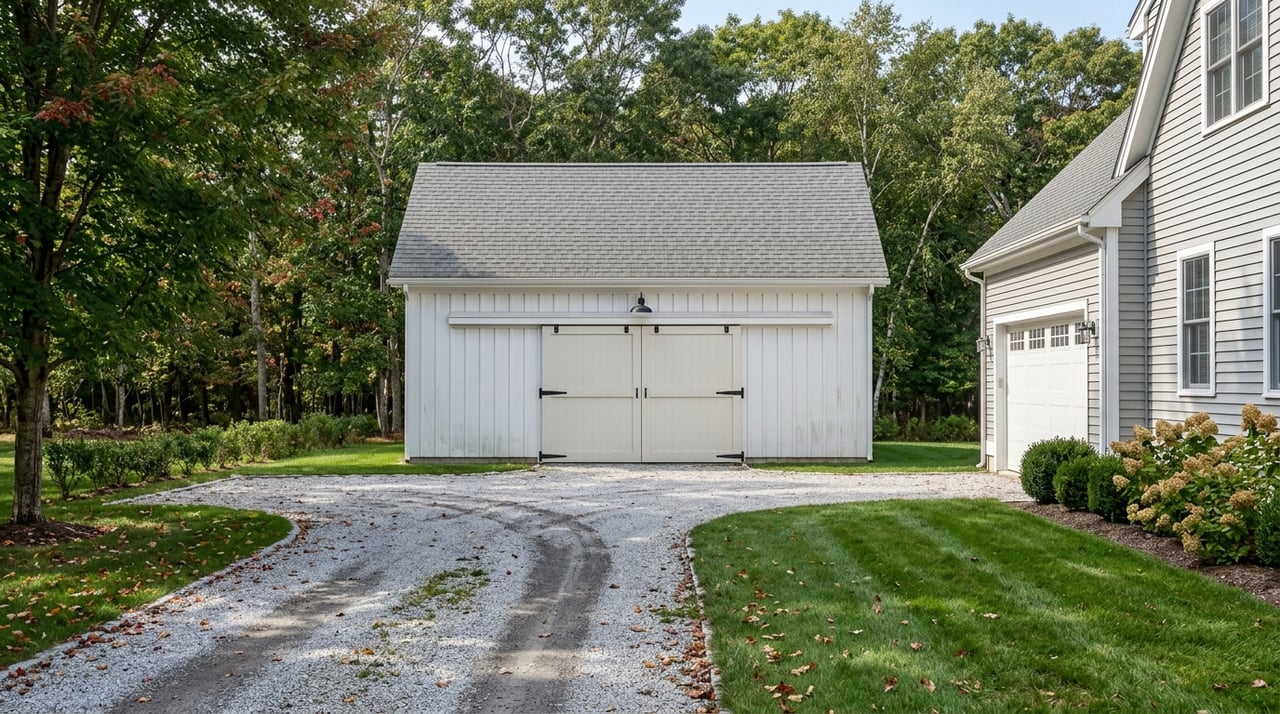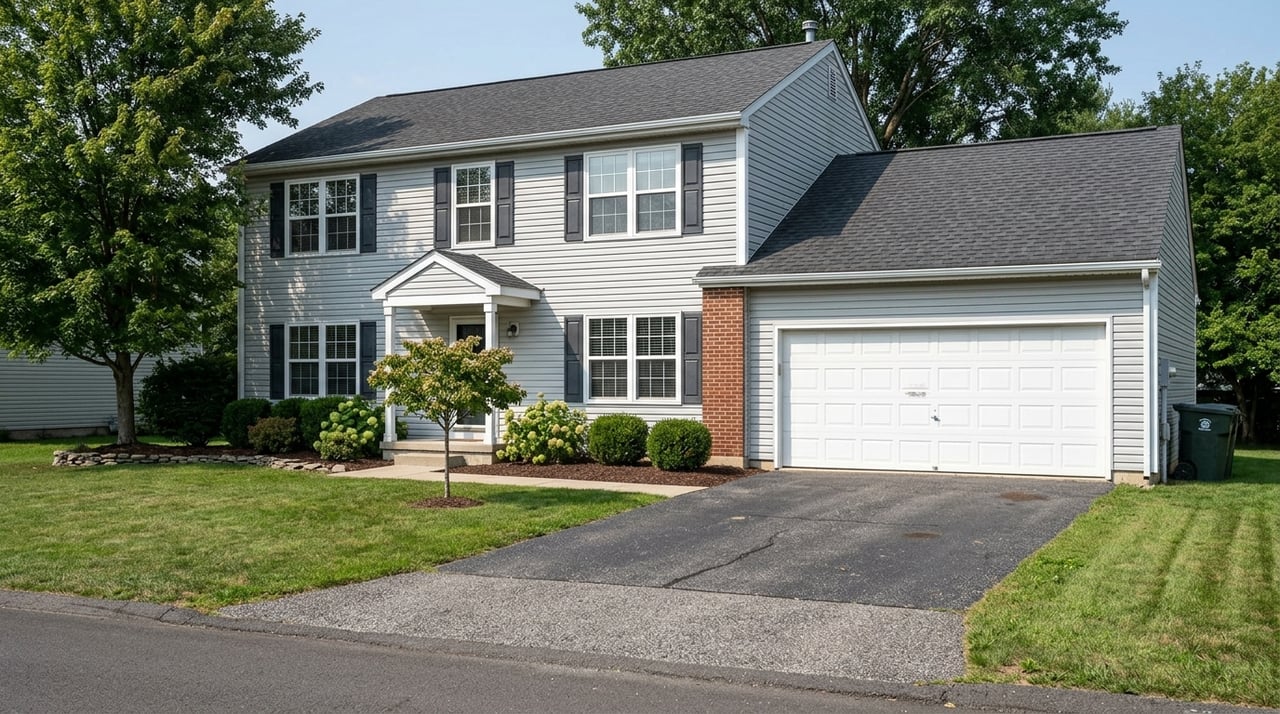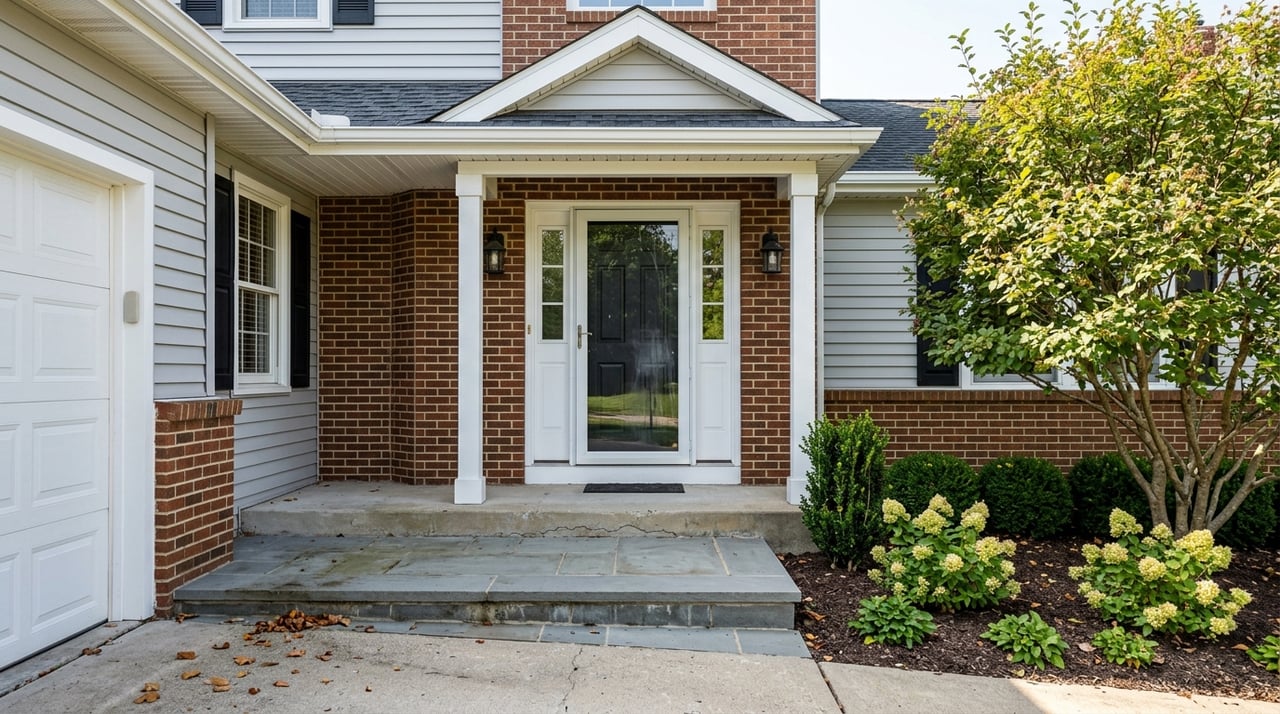
Selling your home in Somerset County can feel simple on the surface, especially in a market where well-positioned homes are still moving quickly. But a strong sale rarely happens by accident. If you want the best possible result, you need a plan for pricing, prep, marketing, disclosures, and closing details before your home ever hits the market. Let’s dive in.
Why planning matters in Somerset County
Somerset County remains a competitive market for sellers, but buyers still have choices. As of May 2026, Redfin reported a median sale price of $635,594, about 20 median days on market, and a 103.7% sale-to-list ratio. Realtor.com also showed a strong market, with a $645,000 median listing price, roughly 27 median days on market, and about 1,100 homes for sale.
The exact numbers vary by source, but the takeaway is clear. Buyers are active, yet they are comparing multiple options. That means your pricing, presentation, and launch timing still play a major role in how quickly your home sells and how strong your offers look.
Start with your goals and timing
Before you think about photos or showings, get clear on your timeline. If you want to move by a certain date, work backward from that goal so you have enough time for repairs, cleaning, staging, paperwork, and marketing.
This matters even more in Somerset County, where homes have been selling in roughly 20 to 27 days. If you wait until the last minute to prepare, you can lose valuable momentum during the first week your home is live.
Decide what matters most
Every seller has a slightly different priority. You may want the highest possible price, the fastest closing, more flexibility on move-out timing, or fewer repair requests later.
When you define those goals early, it becomes easier to shape the right listing strategy. That includes how you price the home, when you launch, and what terms matter most when offers come in.
Build a smart pricing strategy
Pricing is one of the most important steps in your listing plan. A competitive price helps attract serious buyers, supports stronger interest in the first days on market, and can improve your negotiating position.
A pricing strategy should not be based on guesswork or a hopeful number. It should reflect current market conditions, the competition buyers are seeing, and the condition and features of your home.
Why overpricing can slow you down
In a seller-leaning market, it is tempting to test a high price. But even in strong conditions, buyers notice when a home feels out of sync with the market.
If your home sits too long, you may need a price reduction later. That can weaken your launch and make buyers wonder why the home has not sold.
Prepare your home before it goes live
The best listings usually look polished from day one. That does not always mean a major renovation. Often, it means focusing on the basics that help buyers see the home clearly and comfortably.
According to NAR consumer guidance, sellers are commonly advised to declutter, deep clean, and improve curb appeal before photography and showings. Those simple steps can make a meaningful difference in how your home is received online and in person.
Focus on the biggest prep wins
Start with the improvements that help your home show clean, bright, and well cared for. Common priorities include:
- Decluttering rooms, closets, counters, and storage areas
- Deep cleaning the entire home
- Touching up paint or minor cosmetic wear
- Improving curb appeal at the front entry and yard
- Making sure lighting works and spaces feel open
These steps help buyers focus on the home itself rather than distractions. They also help your photography stand out when buyers first find your listing online.
Consider staging strategically
Staging can be worth considering, especially if you want your home to feel more inviting and easier to understand. In NAR’s 2025 staging survey, 83% of buyers’ agents said staging made it easier for buyers to envision the property as their future home.
The same survey found that 49% of sellers’ agents said staging reduced time on market, and 29% said staging led to a 1% to 10% increase in value offered. That does not mean every home needs full staging, but it does support a thoughtful presentation plan.
Think about a pre-sale inspection
A pre-sale inspection is not required, but it can help you understand repair issues before buyers do. NAR notes that it can uncover items that may affect your asking price or show up later in negotiations.
For some sellers, that advance knowledge can reduce surprises and help create a smoother transaction. It can also help you decide which repairs are worth making before launch.
Get your paperwork started early
Many sellers focus on the home itself and forget how much paperwork is involved. Starting early can reduce stress later, especially once offers begin coming in.
NAR recommends gathering warranties, guarantees, and manuals for appliances and systems that will stay with the home. Having these items ready can make the transaction feel more organized and help support a cleaner handoff to the buyer.
Prepare disclosures upfront
In New Jersey, sellers are expected to disclose known material defects. The state also requires sellers to disclose certain flood-risk information before the buyer becomes obligated under a contract.
That is why disclosure work should begin early. If your home has had water issues, repairs, or conditions that may be considered material, it is better to organize that information before your listing goes live.
Know if your home has added disclosure steps
If your home was built before 1978, federal lead-based paint disclosure rules may apply. That means pre-1978 homes can require added disclosure steps before sale.
You should also plan ahead for New Jersey’s certificate of smoke alarm, carbon monoxide alarm, and portable fire extinguisher compliance. For one- and two-family homes and attached single-family homes, this certificate is required before the property is sold.
Invest in your launch materials
Your first impression usually happens online. That is why strong listing materials matter so much.
NAR reported that buyers’ agents rated photos as one of the most important listing elements, followed by physical staging, videos, and virtual tours. In practical terms, that means your marketing package should be ready before the listing goes live, not assembled after the fact.
Prioritize professional presentation
A strong launch often includes:
- Professional photography
- A clean, accurate listing description
- Thoughtful room and feature presentation
- Digital marketing support
- Showing-ready condition from the first day on market
NAR also notes that marketing may include signage, open houses, social media, and MLS exposure, with MLS exposure typically offering the broadest reach. The more prepared your home is at launch, the better your chances of capturing early attention.
Plan your first week carefully
The first week on market is often the most important. Buyers who are already watching Somerset County listings may move quickly when a well-prepared home comes online.
NAR notes that holding the first open house the weekend after the home goes live can help maximize exposure. Showings and open houses also give buyers a chance to see the property in person and ask questions, which can strengthen interest.
Make showings easier on yourself
Showings are part of the selling process, but they can feel disruptive. A simple plan can make them easier to manage.
Try to keep the home consistently tidy, secure pets and valuables, and make sure the home feels bright and accessible for each appointment. The easier it is for buyers to experience the home, the easier it is for them to picture moving forward.
Review offers beyond price alone
When offers arrive, the highest number is not always the best outcome. Terms matter too.
You may want to compare closing timing, financing strength, contingencies, inspection requests, and flexibility around occupancy. Looking at the full picture can help you choose an offer that aligns with your goals, not just the headline price.
Understand New Jersey attorney review
In New Jersey, a contract of sale prepared by a real estate licensee must include an attorney review clause. According to the New Jersey Department of Banking and Insurance, the buyer and seller have three business days after the fully signed contract is delivered to consult an attorney.
During that period, an attorney may propose revisions or make the contract null and void. For sellers, this means an accepted offer is an important milestone, but not the final step.
Prepare for closing costs and final steps
Once you are under contract, the transaction moves into inspections, any remaining paperwork, and closing preparation. This is also the stage where seller costs and state-specific items become important.
In New Jersey, the seller pays the Realty Transfer Fee. The state also imposes a Graduated Percent Fee on transfers over $1 million, with rates ranging from 1% to 3.5% depending on the sale price.
Special note for nonresident sellers
If you are a New Jersey nonresident selling property in the state, the Division of Taxation says a GIT/REP-1 or GIT/REP-2 form is required to record the deed unless an exemption applies. The state also notes that nonresident sellers may need to make an estimated tax payment at closing.
This is an important detail to flag early because it can affect both your net proceeds and your closing paperwork timeline.
A simple step-by-step listing plan
If you want a practical roadmap, here is the process in order:
- Define your move timeline and selling goals
- Build a pricing strategy based on current Somerset County conditions
- Decide on repairs, touch-ups, and possible pre-sale inspection steps
- Declutter, clean, and improve curb appeal
- Complete disclosures and gather key home documents
- Prepare professional photos and launch materials
- Go live with a coordinated first-week marketing plan
- Review offers based on price and terms
- Move through attorney review, inspections, and closing steps
- Prepare for transfer fees, compliance certificates, and final paperwork
A clear process helps you stay in control from the start. It also gives your home the strongest chance to launch well and sell with less friction.
If you are thinking about listing in Somerset County, working with a local, consultative real estate professional can make each step easier to manage. For tailored guidance, pricing insight, and full-service support from preparation through closing, schedule your free consultation with Beth Harding.
FAQs
What is the first step to list a home in Somerset County?
- The first step is to define your timeline and goals, then build a pricing and preparation strategy before your home goes on the market.
How fast are homes selling in Somerset County, NJ?
- As of May 2026, reported market data showed roughly 20 to 27 median days on market, depending on the source.
Do Somerset County sellers need to complete property disclosures?
- Yes. In New Jersey, sellers must disclose known material defects, and certain flood-risk information must be disclosed before a buyer becomes obligated under a contract.
Does a New Jersey home sale include attorney review?
- Yes. In New Jersey, contracts prepared by a real estate licensee include an attorney review clause, and both parties have three business days after delivery of the fully signed contract to consult an attorney.
Do sellers need a smoke and carbon monoxide certificate in New Jersey?
- Yes. Before a one- or two-family or attached single-family home is sold in New Jersey, the owner must obtain a certificate of smoke alarm, carbon monoxide alarm, and portable fire extinguisher compliance.
What closing costs should Somerset County sellers expect?
- Sellers in New Jersey pay the Realty Transfer Fee, and sales over $1 million may also be subject to the state’s Graduated Percent Fee, which can affect net proceeds.
Do pre-1978 homes in Somerset County have extra disclosure rules?
- Yes. Most homes built before 1978 trigger federal lead-based paint disclosure requirements before sale.